Amazon CTO offers five tech forecasts for 2027 and beyond
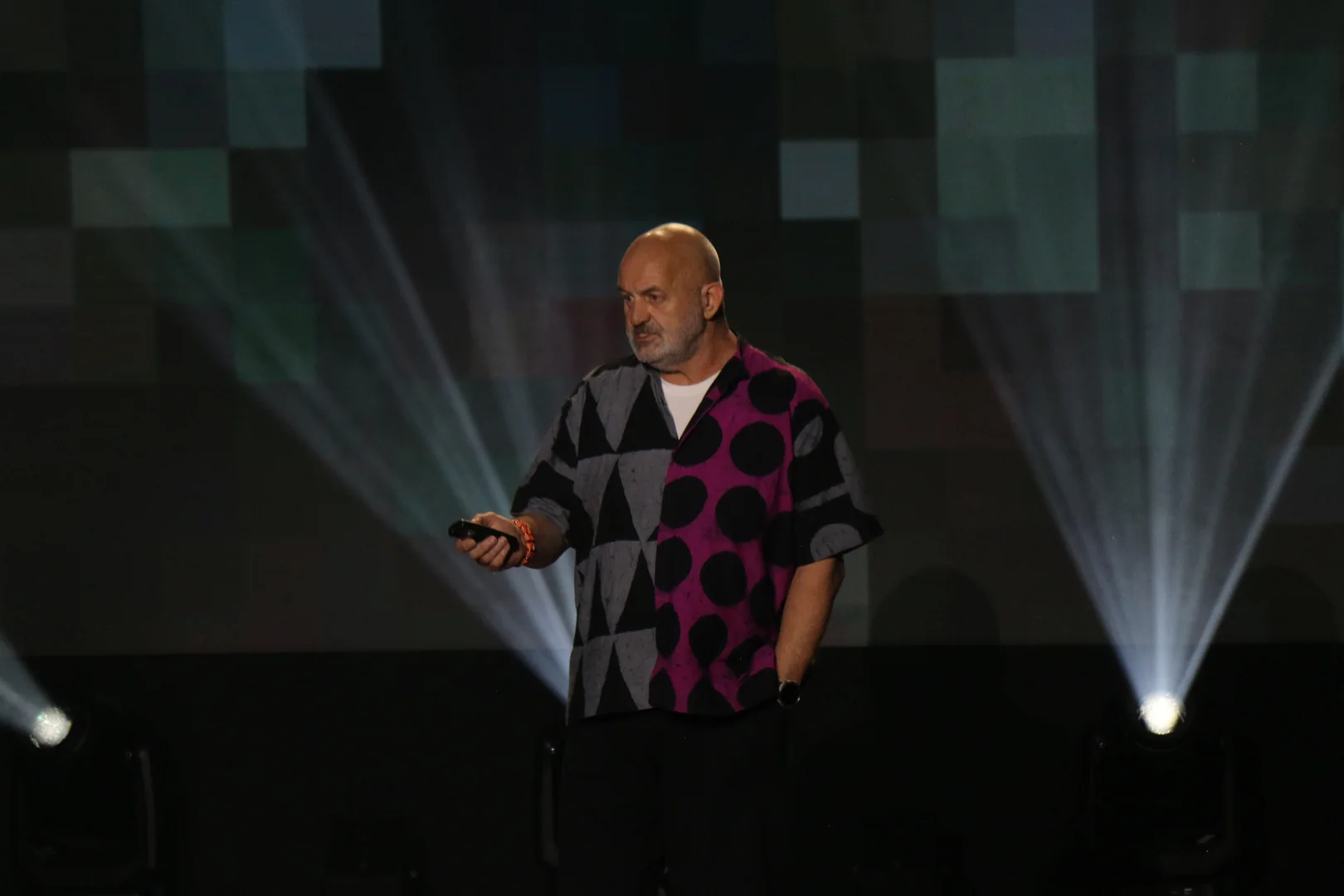
On November 24, Amazon outlined five technology predictions for 2027 and beyond from its chief technology officer, Werner Vogels. They cover energy-efficient computing inspired by the brain, artificial intelligence (AI) in software security testing, system design that accounts for data sovereignty, scientists working with AI on treatment research, and non-invasive brain interfaces.
Bringing memory and processing closer to save energy
Vogels expects more computer designs to draw on how the brain stores and processes information. He cites neuromorphic processors that carry out computations close to where information is stored. He believes more energy-efficient technology could also help make computing available in places with limited power or connectivity.
Ongoing security testing and data sovereignty by design
Vogels predicts that organizations providing software systems will increasingly use AI to check their security, from development before release through day-to-day operation. Amid geopolitical shifts, he expects decisions about where data is stored, who controls encryption keys and which AI models process the data to become important at the design stage. He says the degree of control needed will vary by workload.
AI in treatment research and brain interfaces without surgery
Vogels expects researchers to lead the work and verify results, with AI helping them organize findings and narrow down candidates. He says clinical trials will still be needed to establish safety and efficacy, and that treatments could be found by the end of the 2020s for diseases for which care currently focuses on managing symptoms. He also predicts that brain–computer interfaces that read signals without surgery will be used for everyday tasks such as communicating and controlling devices.