NASA invites amateur astronomers to track kilonovas with camera-equipped telescopes
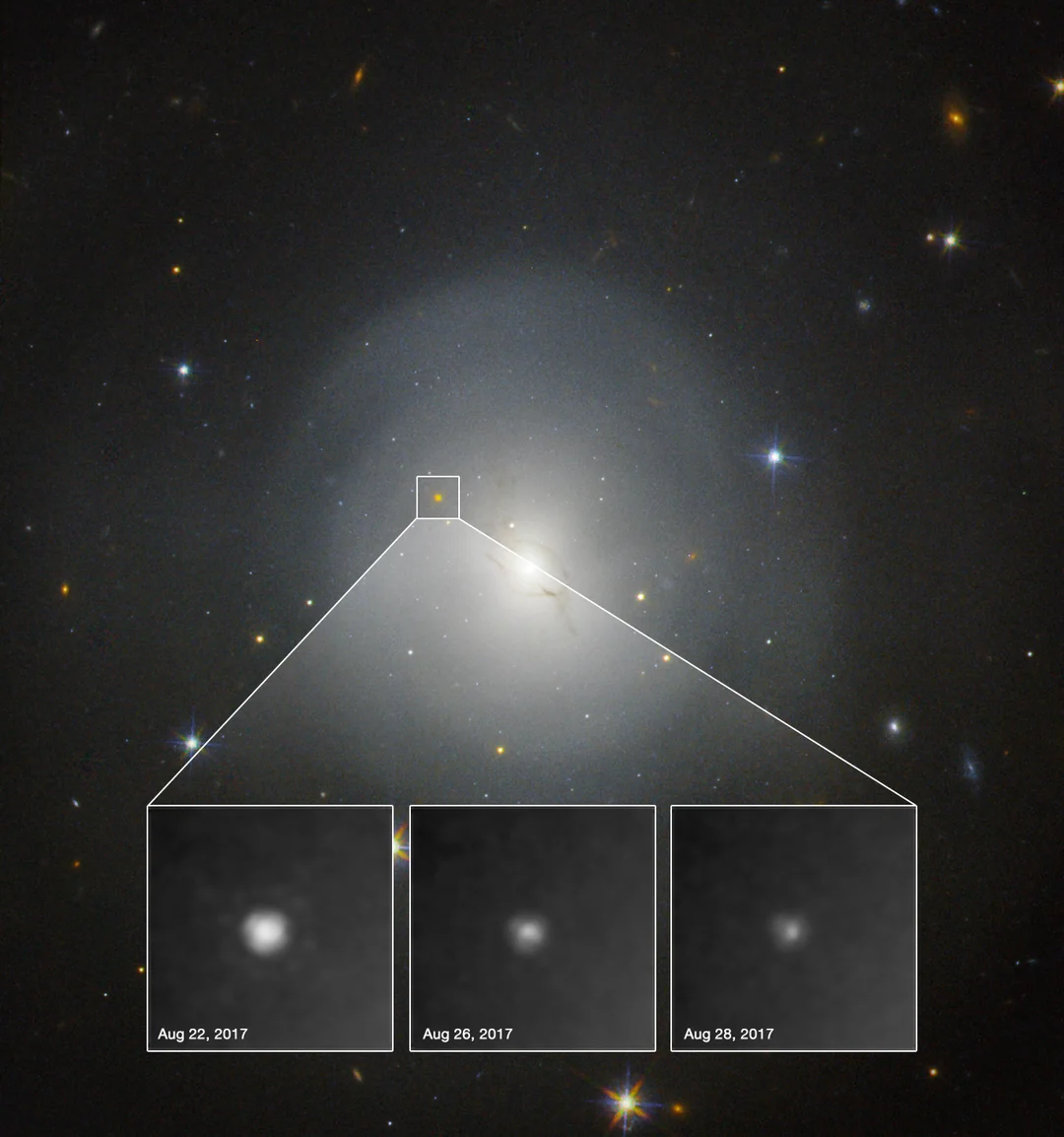
On November 24, the US National Aeronautics and Space Administration (NASA) invited people with access to a camera-equipped telescope to join the Kilonova Catcher citizen science project. A kilonova can result from the collision of neutron stars and fades within days. Amateur astronomers in different locations receive alerts from gravitational wave detectors or space telescopes and help find and track the light.

Telescopes in different locations track brief flashes
A neutron star is the dense remnant left after a star reaches the end of its life. When two neutron stars collide, they can give off a brief flash called a kilonova. It fades within days and a single observatory cannot watch the entire sky. After receiving an alert, participants use their own telescopes to look for the light and track how it changes. The network also follows other brief astronomical events, including gamma-ray bursts.
More than 150 members and contributions to more than 64 official reports
NASA says more than 150 members are registered across several continents. They work with astronomers and observatories and have contributed to more than 64 official reports shared through NASA's General Coordinates Network. Some participants credited for their observations appear as authors on peer-reviewed research papers.
Participants need access to a telescope and camera
People can register through the project website. NASA's project guide lists a telescope with an aperture of at least 8 inches (about 200 millimeters), a camera that can record FITS or RAW images, and photometric filters. The network is also preparing to help follow up on numerous alerts from NASA's Nancy Grace Roman Space Telescope.