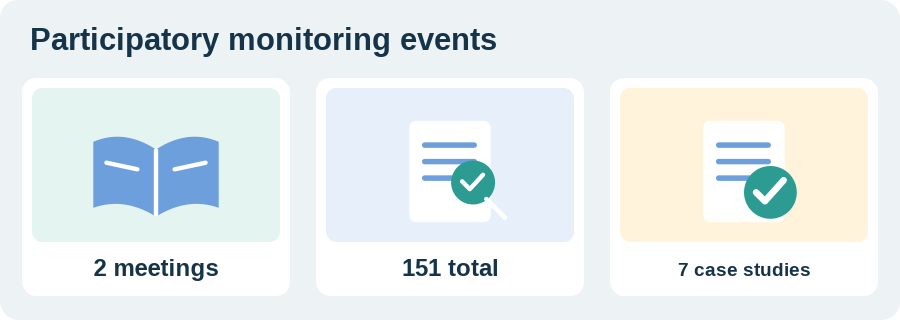
Colombia records 151 total attendances across two online meetings on participatory environmental monitoring
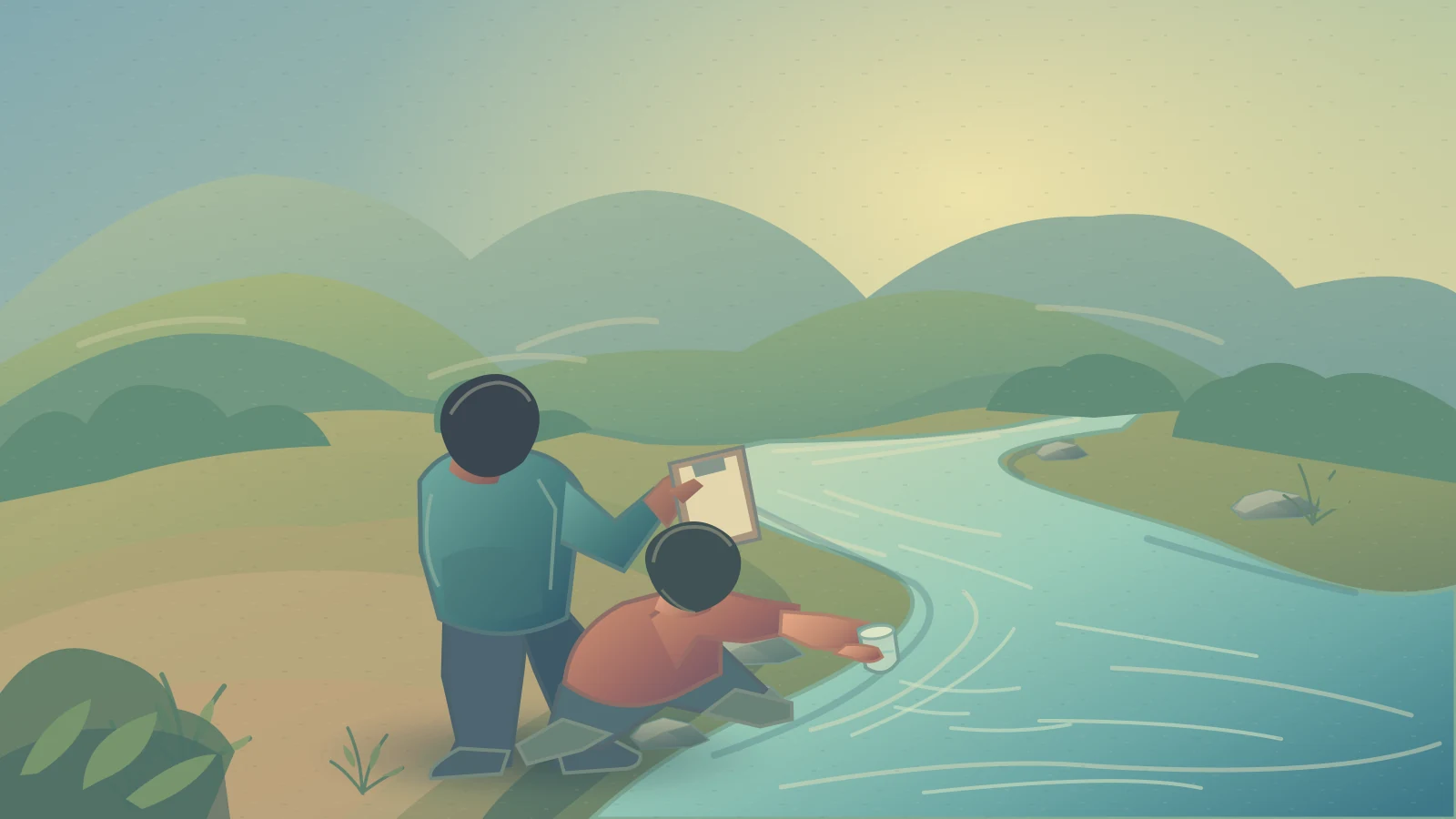
On November 24, Colombia’s National Environmental Licensing Authority (ANLA) said it had held two national online meetings on participatory environmental monitoring, recording 151 attendances across the two sessions. Community members, Indigenous peoples, young people and representatives of universities, companies and public agencies spent about six hours and 40 minutes sharing ways to collect and use environmental information in their communities.
Geoscience with communities in the first session and seven regional examples in the second
The first session covered geoscience research with communities in Colombia, community monitoring of biodiversity, exchanges of local knowledge and public-sector tools for environmental information. The second presented seven examples from the departments of Boyacá, Guaviare, Bolívar and Cauca, Bogotá, and the Pacific coast of Cauca. Topics included environmental communication led by young people, community monitoring of biodiversity and water, blue crab conservation, agricultural biodiversity among the Indigenous Misak people, community mapping, open technologies and intercultural training.
Working with residents to produce information and share results locally
According to ANLA, discussions at the two meetings centred on lessons learned, tools, challenges and recommendations. Participants highlighted the value of recognising local knowledge, building trust and producing environmental information with residents. They also stressed sharing results with communities in clear language and accessible formats, strengthening residents’ ability to use the information and supporting local decisions.
Funding and connectivity challenges will inform future discussions
ANLA identified sustainable funding, connectivity constraints, passing on knowledge to the next generation, updating data and official recognition of information gathered by residents as challenges to continuing the work. It says it will compile the findings to guide future discussions, strengthen cooperation and encourage use of publicly available environmental information.