Climate plan enters into force in Chile’s Maule Region with 28 measures
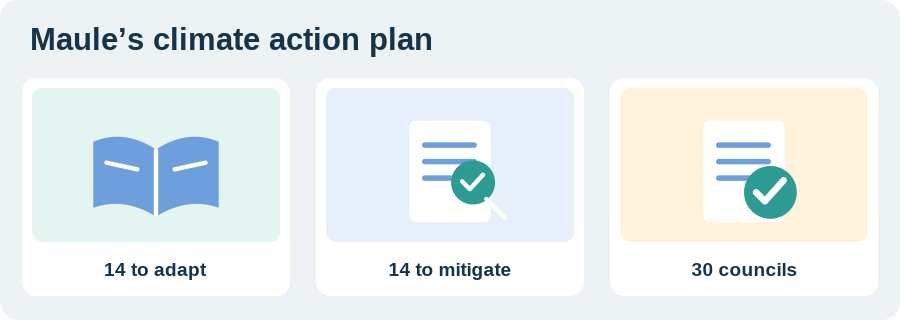
Chile’s Ministry of the Environment announced on November 24 that the Maule Region’s climate action plan had entered into force. It contains 14 measures to prepare for the impacts of climate change and 14 more to reduce greenhouse gas emissions. The regional climate change committee will coordinate implementation.
Resilient infrastructure and ecosystem conservation
The plan is based on the Framework Law on Climate Change (Law No. 21,455). Adaptation measures include designing infrastructure to withstand climate impacts, restoring and conserving ecosystems, protecting biodiversity and expanding protected areas in the region. The ministry said the region needs to prepare for drought, extreme rainfall, floods, wildfires and heatwaves, among other hazards.
Waste management and lower fertiliser use
Mitigation measures include sustainable waste management, reducing fertiliser use and developing environmental education programmes. The Presidential Delegation for the Maule Region issued Resolution No. 689 approving the plan on October 23. The resolution was published in the official gazette on November 6.
The committee includes 30 municipalities
Regional Governor Pedro Pablo Álvarez-Salamanca chairs the Maule Regional Climate Change Committee (CORECC), which is responsible for implementation. Felipe Massardo, the ministry’s regional representative, leads its technical secretariat. Thirty municipalities participate alongside public institutions, academics and civil society organisations. The ministry’s representative said the regional plan would also guide municipalities in developing their climate action plans.