Indonesia and Finland launch project to strengthen Pacific weather forecasts and early warnings
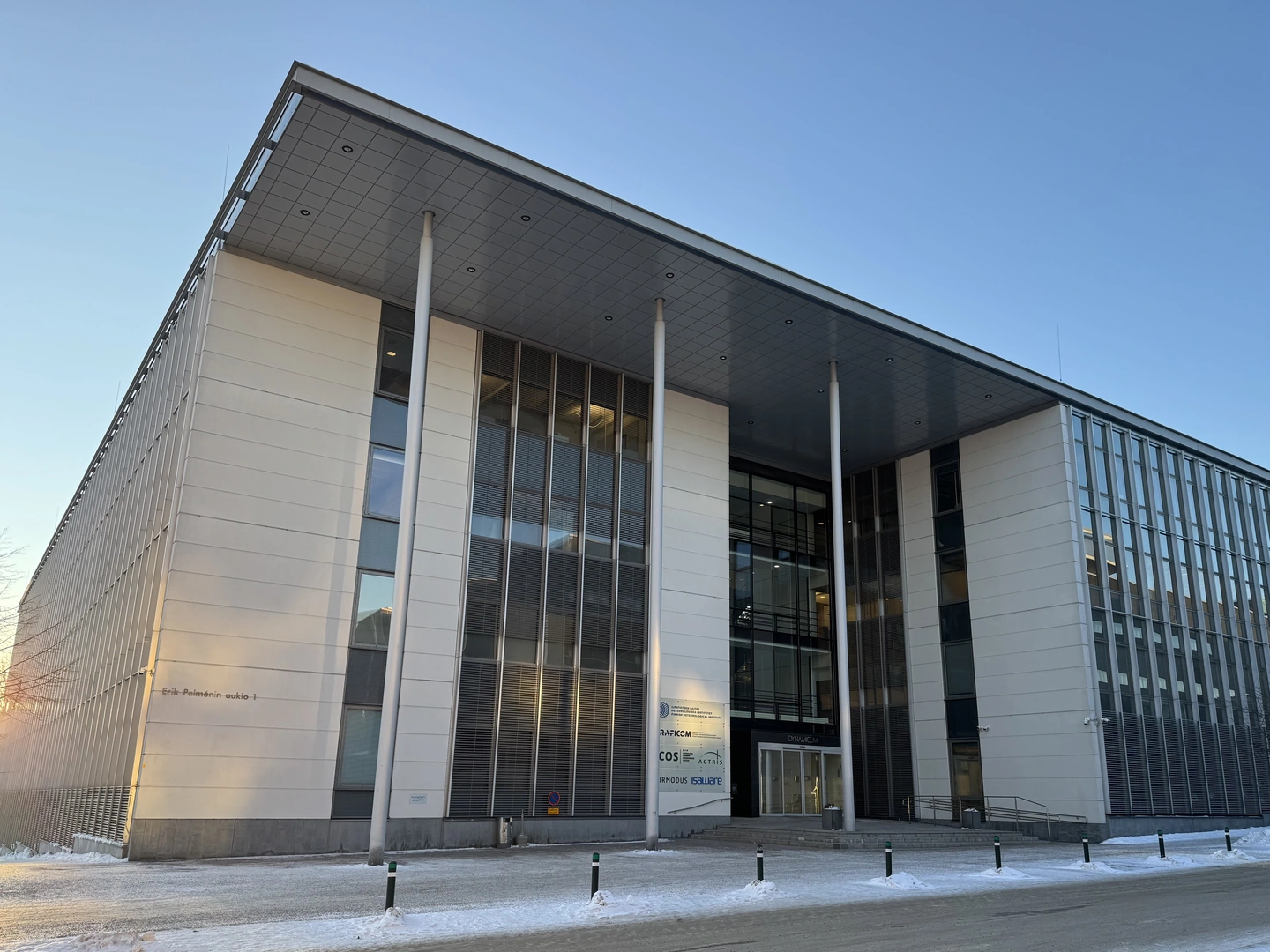
Indonesia's Meteorology, Climatology and Geophysics Agency (BMKG) announced on 25 November that it had launched Pacific–Indonesia-Finland (PACIDFIN), a 2026–2030 international cooperation project, with the Finnish Meteorological Institute (FMI) and other partners. The kick-off meeting took place at BMKG in Jakarta on 24 November. The project aims to strengthen the delivery of weather forecasts, early warnings and related services in Indonesia and Pacific island countries.

Fourteen Pacific countries and the Philippines are taking part
PACIDFIN extends the 2023–2025 bilateral INDFIN project between BMKG and FMI into a regional partnership. The partners include BMKG, FMI, 14 Pacific small island developing states represented by the Pacific Meteorological Council (PMC), and the Philippines. The Philippines' weather agency, PAGASA, is due to be invited to numerical weather prediction training with BMKG.
Three priorities are numerical weather prediction, impact-based forecasting and air quality information
The project focuses on numerical weather prediction (NWP), impact-based forecasting (IBF) and air quality information. The two forecasting areas will use artificial intelligence (AI) for analysis and prediction. Plans include hands-on learning, workshops, expert missions, a study visit to Helsinki and training for instructors. BMKG will contribute experts in its capacity as a World Meteorological Organization (WMO) Regional Training Centre for Region V.
Early warnings that can reach remote islands
BMKG head Teuku Faisal Fathani said solutions should be developed with local stakeholders, taking into account the needs of remote islands, small meteorological services, women and people with disabilities. The project is guided by gender equality, disability inclusion and non-discrimination and aims to make early warnings accessible to everyone.