Chile to study trips combining cycling and Biotren in Greater Concepción
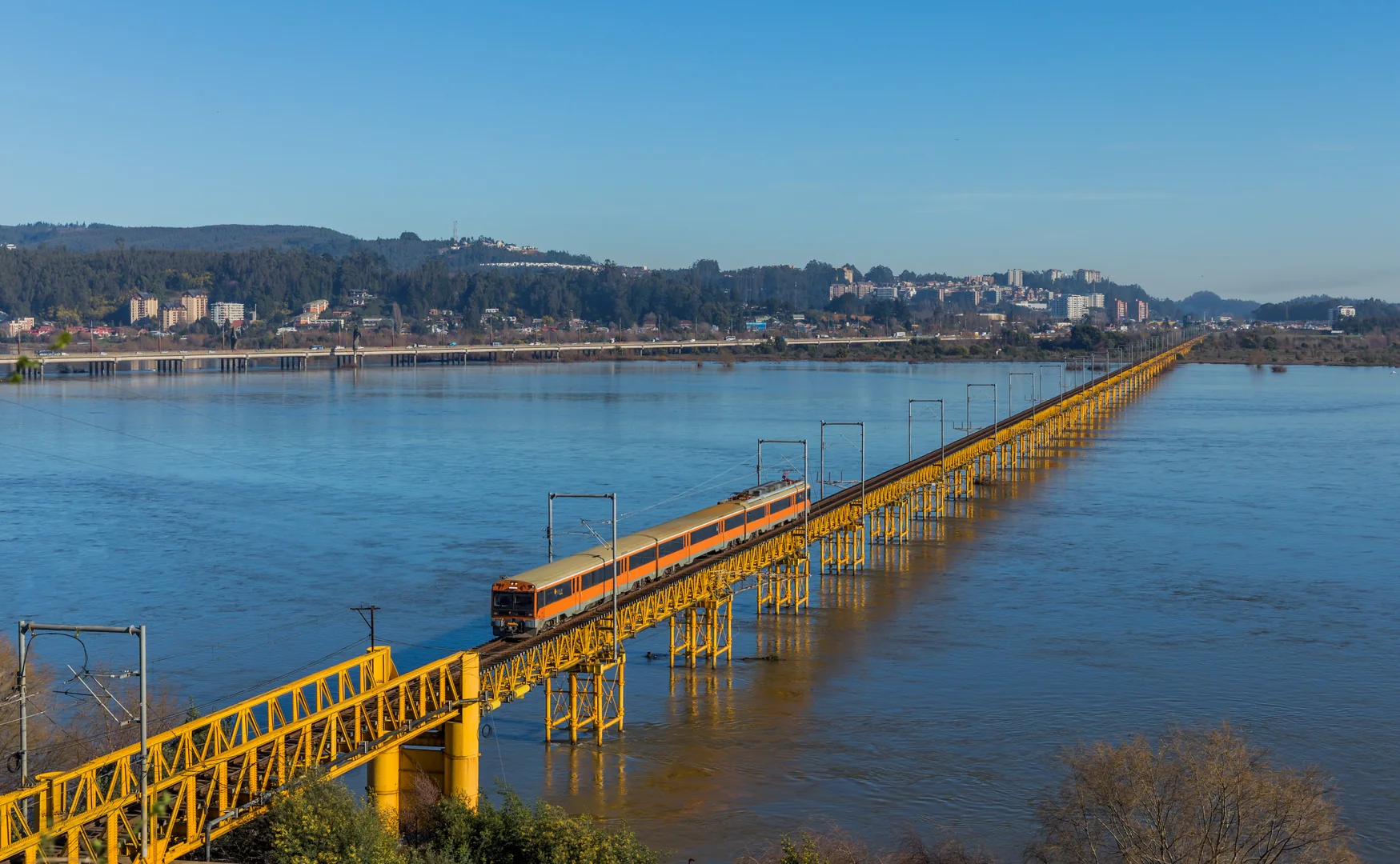
Chile’s Ministry of the Environment said on November 25 that it would study trips combining cycling and the Biotren commuter rail service in Greater Concepción. It plans to survey about 900 people at bike paths, station entrances and other locations to identify ways to improve safety, route connections and bicycle parking at stations.

Surveys at stations and bike paths, traffic counts in eight municipalities
The survey will seek views from people who already cycle and those who would consider cycling for everyday trips if safety, route connections and parking at stations improved. Cityplanning, the company conducting the study, said it would complement the surveys with traffic counts at 30 sites across eight municipalities in Greater Concepción. Researchers will combine the data with location information to study travel patterns, identify routes for priority improvements and explore ways to connect cycling with rail.
Cycling accounted for 3.7% of trips in 2025, rail for 1.8%
The analysis will also use a 2025 metropolitan travel survey by CEDEUS. It collected 2,567 valid responses from 10 municipalities and estimated more than 2.1 million daily trips across the metropolitan area. Cycling's share rose from 1.9% in 2015 to 3.7% in 2025, while rail rose from 0.2% to 1.8%. The study is part of a pilot under CLETS, a project supporting Chile’s sustainable transport strategy and promoting low-emission public transport.