Piauí State University opens conference on education, research and regional development
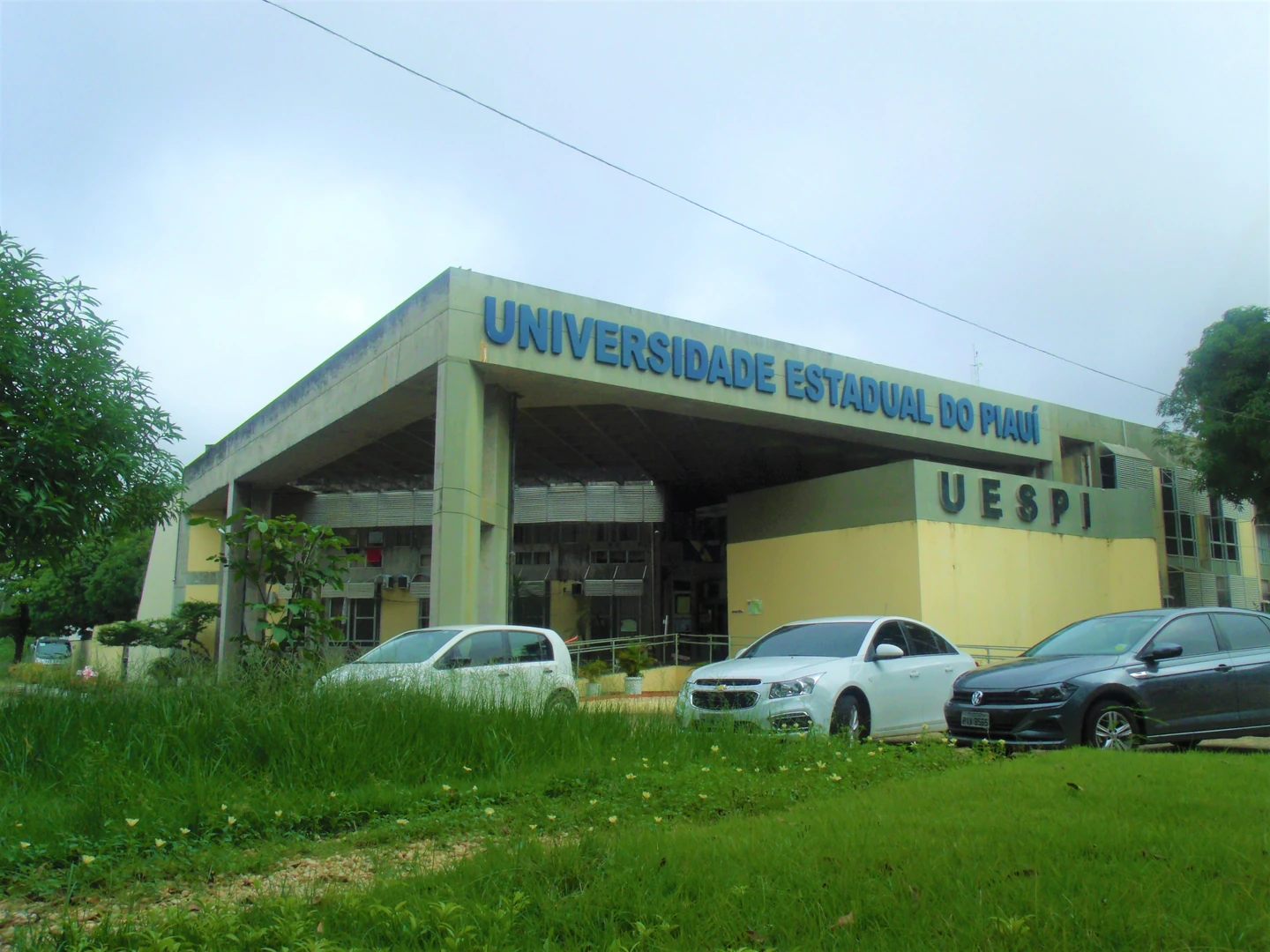
The government of Brazil’s Piauí state announced on November 25 that Piauí State University (UESPI) had opened its second Conference on Teaching, Research and Community Engagement, known as Conepex, in the state capital, Teresina. More than 3,500 people are taking part across the conference, including students, faculty, researchers, speakers and organizers.

Teresina opening sets out agenda on science, entrepreneurship and higher education
The opening ceremony was held on November 25 at Diferencial Eventos in Teresina. The theme is “Connecting knowledge to transform local realities and develop Piauí.” The program includes talks and discussions on science, innovation, entrepreneurship, internationalization and challenges in higher education. Arnaldo Brito, the university’s pro-rector for teaching and undergraduate studies and the conference chair, said preparations had taken place throughout the year. He described the conference as a chance to share what participants had learned through teaching, research and community work.
Connecting university work to local industries and state development policy
Rector Paulo Henrique Pinheiro said one of the main aims was to strengthen the links between teaching, research and community engagement and connect university work with the industries and economic strengths of different parts of the state. He emphasized that linking these activities to state development policy was important if the university was to contribute more to Piauí’s social and economic development.