Chile offers Los Ríos community groups 15 million pesos per environmental project
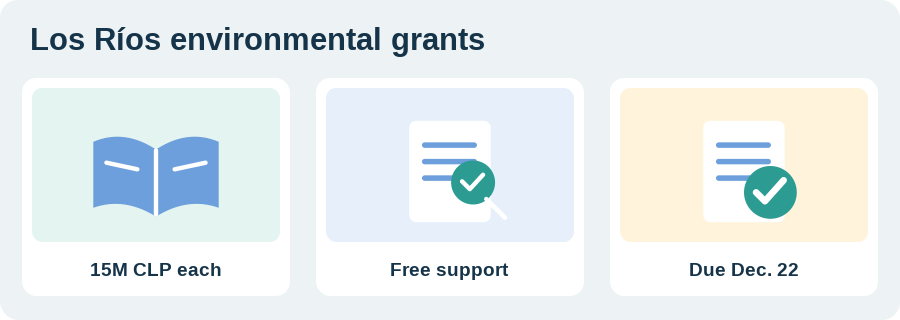
Chile’s Environment Ministry announced on November 25 that it had opened a call for community environmental projects in the Los Ríos Region with the Food and Agriculture Organization (FAO). Eligible nonprofits include community, producer and Indigenous organizations based in the region with valid legal status. Each project can receive 15 million Chilean pesos, and applicants can get free technical support. Online applications close on December 22 at 11:59 p.m.
Three Chilean regions and five eligible project areas
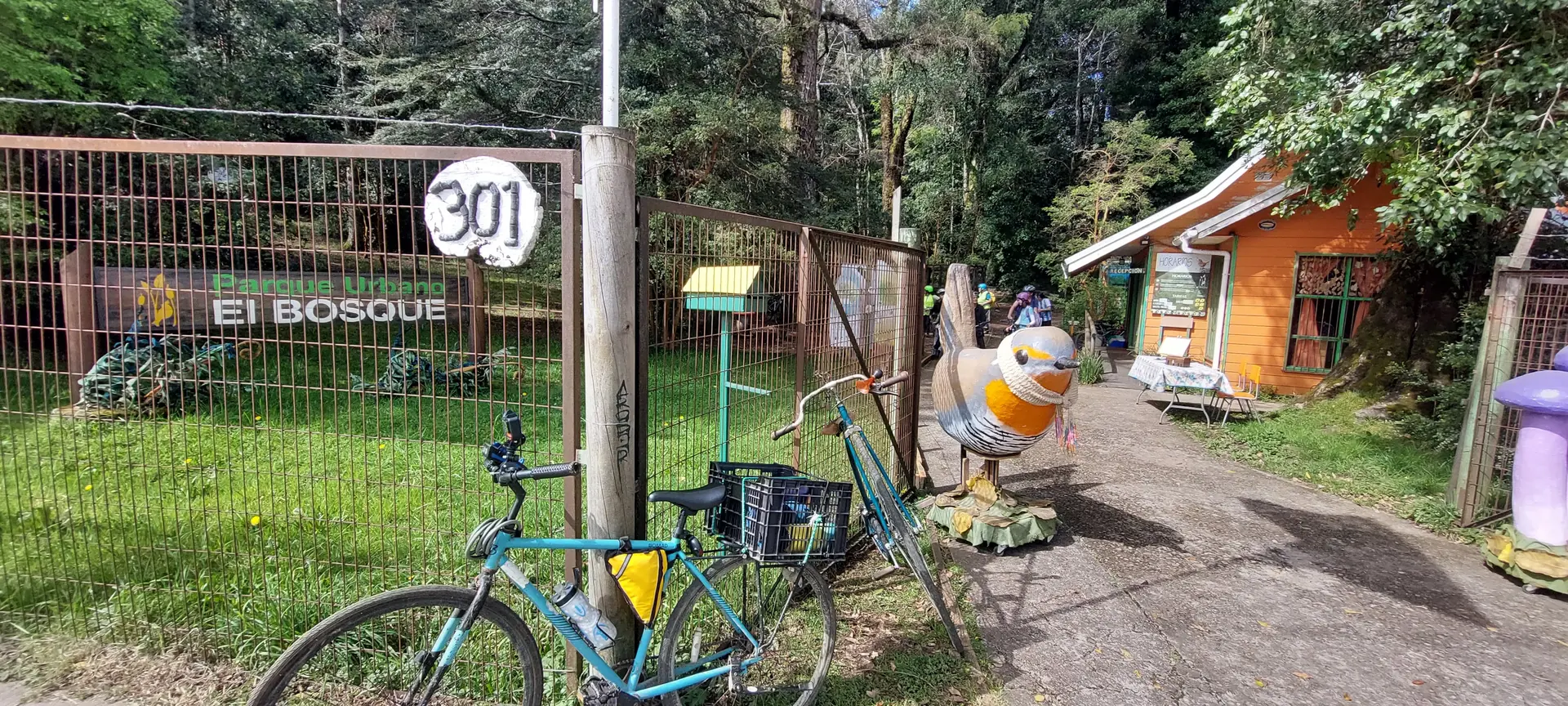
The Environment Ministry is running the program through the Environmental Protection Fund (FPA) with the FAO and funding from the Global Environment Facility (GEF). It covers Atacama, Ñuble and Los Ríos. The ministry announced the Los Ríos call at El Bosque Urban Park in the regional capital of Valdivia. The five project areas are sustainable agriculture and fisheries and food security, ecosystem and biodiversity management, access to low-carbon energy, chemicals and waste management, and sustainable urban solutions.
First online information session on November 30
The regional partner CoLab UC will explain the eligibility requirements and help groups prepare their proposals free of charge. The first online information session is scheduled for November 30 at 6 p.m. Enrique Gillmore, the region’s environment official, said he wanted to spread the word in all 12 municipalities, with a focus on reaching women, Indigenous peoples and young people.