Review separates fungal identification from evidence of biocontrol effects in Latin America
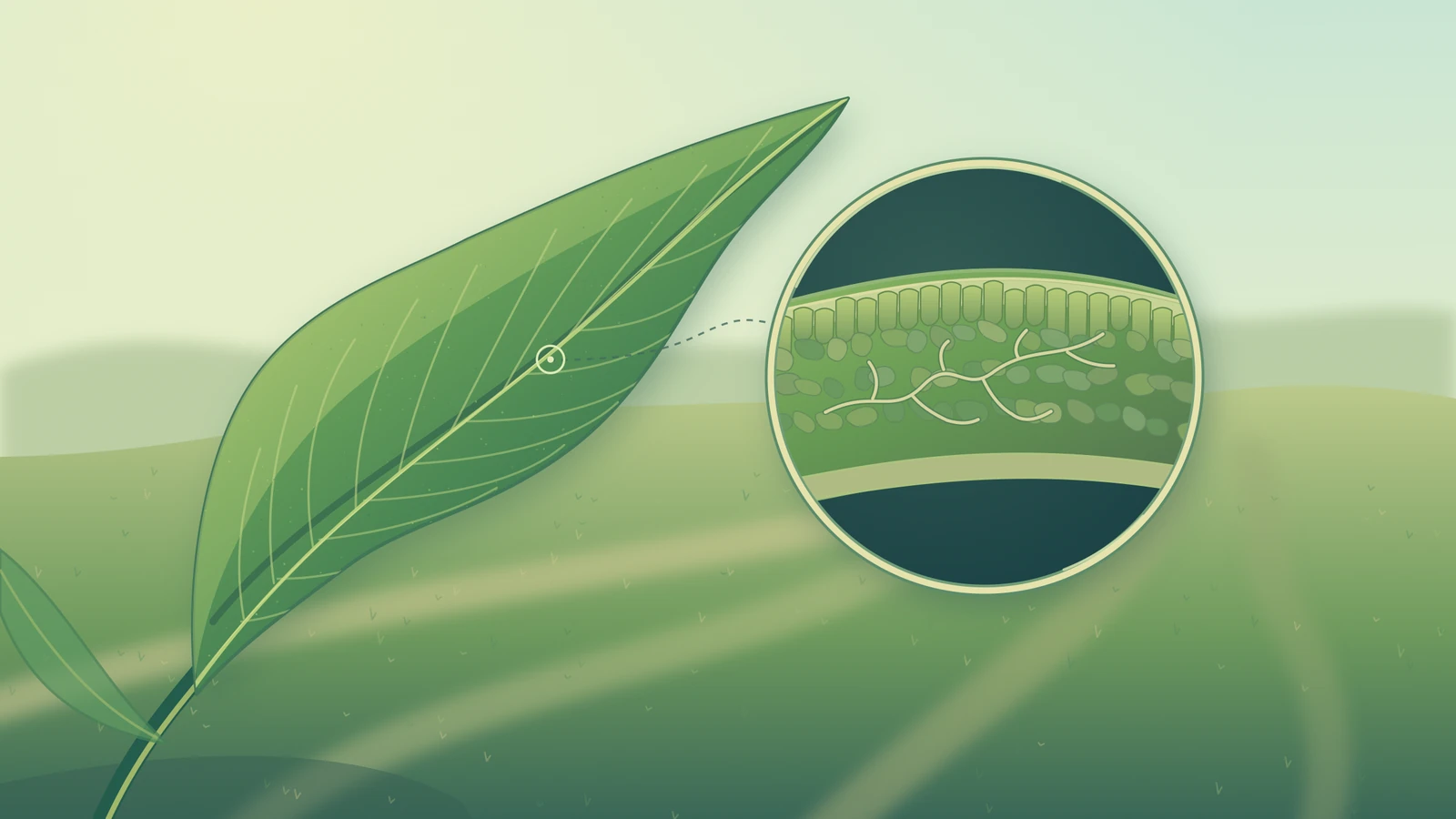
Researchers from Ecuadorian universities and other institutions published a review on 25 November of agricultural biocontrol using fungi that live inside plant tissues. They argued that identifying fungi by their taxonomy or genomes helps track them, but does not on its own predict how well they will work in practice.
Comparing three countries, with Ecuador as the focus
The authors examined literature mainly from 2015 to 2026 and public records on regulation, registration and patents. They focused on Ecuador and compared its system with those of Brazil and Cuba. In Ecuador, some products using fungi in the same genus, Trichoderma, fell into different registration categories and required different evidence depending on the function declared.
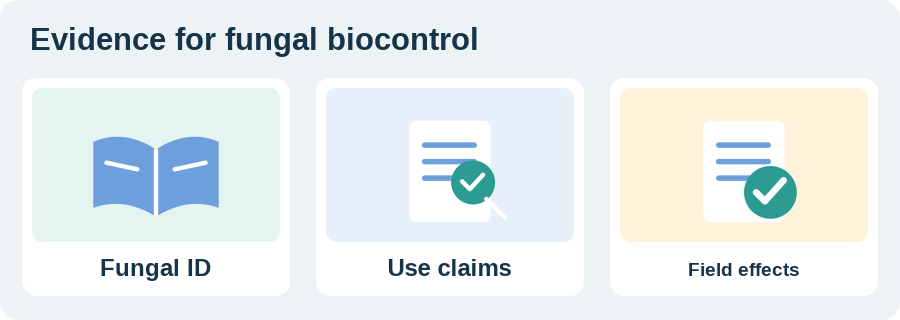
Tracking fungi and measuring field effects require different evidence
The authors argued that the ability to trace a fungus and the ability to verify its expected effects on farms should be assessed separately. They said that few records identify the strain used and follow it from initial evaluation through use in the field. The review appeared in Frontiers in Fungal Biology.