Rising blood glucose from early adulthood linked to lower cognitive scores in midlife

On November 25, the American Heart Association highlighted a study that linked rising fasting blood glucose over about 30 years, starting in early adulthood, to lower cognitive test scores in midlife. Researchers analyzed data from 2,808 people in a long-running U.S. study.
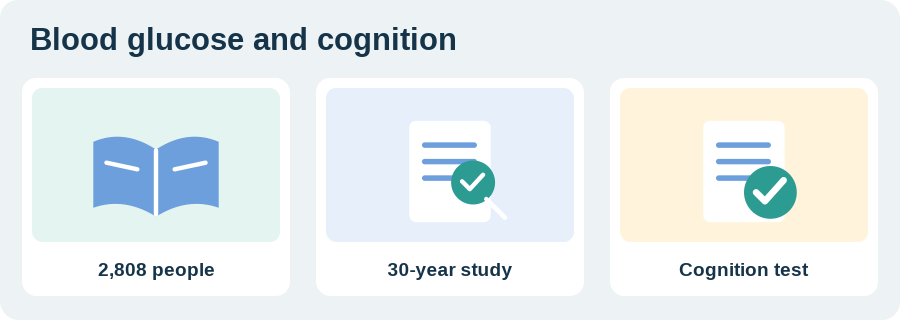
Adults enrolled at ages 18 to 30 and followed for about 30 years
The analysis used data from CARDIA, a study that enrolled adults aged 18 to 30 in four U.S. cities from 1985 to 1986. Fasting blood glucose was measured multiple times. At year 30, participants were assessed on memory, processing speed, executive function and other cognitive abilities. The average participant’s age at that visit was 55.
Lower scores among people whose blood glucose rose
Among people who did not develop type 2 diabetes during follow-up, those whose glucose rose scored lower on tests such as memory and processing speed than those whose glucose remained low and stable, after accounting for demographic and lifestyle factors. Cognition was assessed once, at year 30. MRI data were available for 605 participants. Further research would be needed to establish causation.