Keiai Elementary School workshop in Kitakyushu showcases English read-alouds and discussion in Japanese class
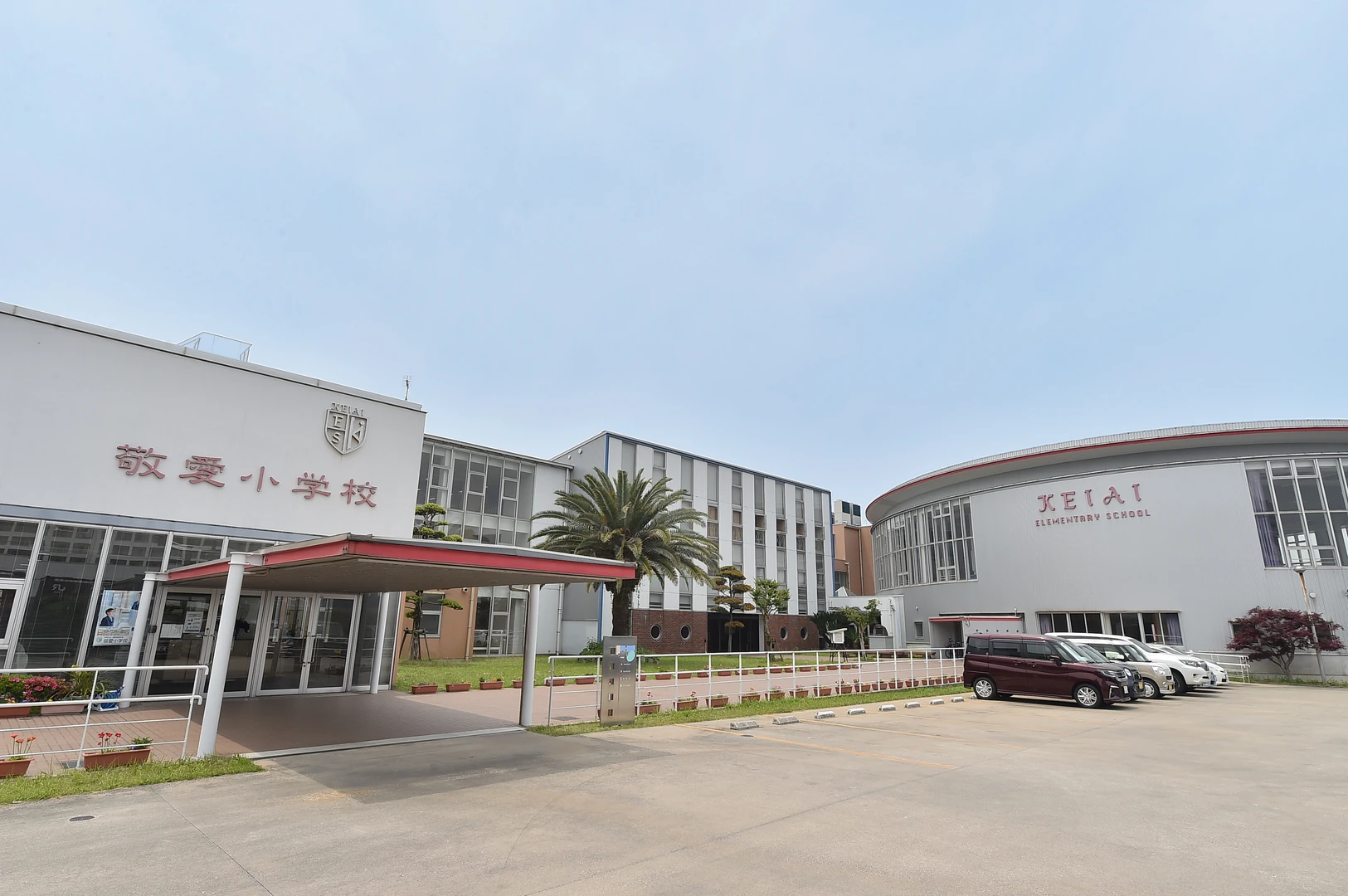
On November 25, LoiLoNote School’s official note account highlighted lessons from an open ICT training workshop held in October at Keiai Elementary School in Kitakyushu. Second graders checked how their mouths moved and read English aloud in pairs. Fifth graders listened to a story in Japanese class and shared their reactions. A talk also covered how teachers and children can check generative AI output together.
Second graders check pronunciation and read English aloud in pairs
In Daryl Haywood’s English class, pupils practiced phonics, learning how letters and sounds relate. They watched videos of mouth movements and used diagrams of tongue positions as they practiced saying consonant blends that include L or R. The pupils took turns reading and listening in pairs. The listeners drew lines on their handouts to mark where their partners had pronounced the sounds well and shared that feedback with them.
Fifth graders hear a story for the first time and share their reactions
Yuki Nakano, a teacher at Niigata Elementary School affiliated with Niigata University, read Tazunebito aloud to fifth graders encountering the story for the first time, showing them illustrations and photographs as he read. The pupils then shared which scenes moved them. They also showed other groups how they placed their textbook in the middle of the group and checked the passages they were discussing together.
Checking AI output with children for details that conflict with the facts
In his talk, Masaki Yasui of Sapporo International University explained that images and videos produced by generative artificial intelligence can contain details that do not match the facts. He said teachers could make such errors a learning opportunity by looking at an image with children and investigating what seems unnatural, in addition to correcting errors ahead of time. He also discussed sharing ideas and questions in class and the role teachers play in supporting children’s curiosity.