A Rádio USP column uses Machiavelli’s The Prince to examine Brazil’s next government

Brazil’s Rádio USP published a column by Professor Renato Janine Ribeiro on November 25. Comparing Niccolò Machiavelli’s The Prince with Thomas More’s Utopia, he argued that debates about Brazil’s next government also call for the ability to negotiate by weighing ideals against real conditions.
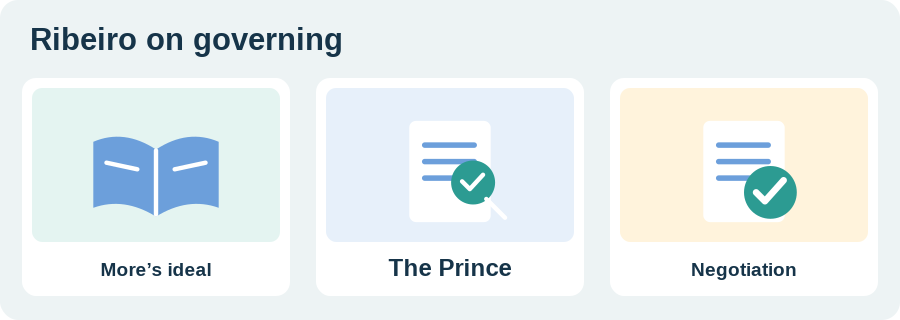
Two 16th-century views of politics
Ribeiro explained that Thomas More’s Utopia imagined a fair and happy society built on the abolition of private property. Niccolò Machiavelli started from the view that people are self-interested and argued that rulers need to confront the problems that real societies face. Both works influenced modern political thought in the 16th century.
The Prince puts real conditions first
According to the column, Machiavelli argued that rulers should act with kindness whenever possible, but must sometimes make hard decisions to retain power and continue to govern. Ribeiro said the emphasis on analyzing real conditions over imagining ideal societies helped shape political science.
Why the next government will need to negotiate
Ribeiro discussed proposals from the left to advance social justice and reduce inequality, alongside the emphasis that some conservatives place on fiscal balance and economic stability. He argued that governing requires understanding real conditions and finding a balance through negotiation, without clinging to idealized political plans or extreme positions.