University of São Paulo opinion column weighs using AI to think through choices and the risk of letting it decide

On November 25, the University of São Paulo’s news outlet in Brazil published an opinion column by Paola Cantarini, who coordinates a research center at the university focused on law and innovation. She distinguishes using artificial intelligence (AI) to organize one’s thoughts from leaving decisions to it. She also discusses the professional responsibilities and confidentiality that underpin psychotherapy.
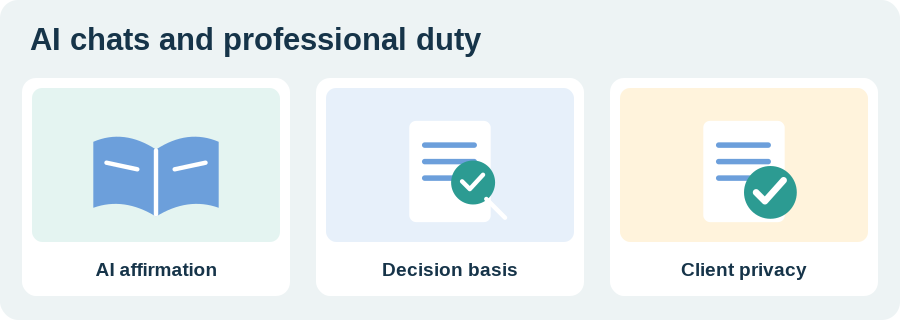
AI agreement can make a user’s own choices seem objective
Cantarini draws attention to conversational AI’s tendency to adapt its answers to users’ views and expectations. She argues that an agreeable response can make a user’s own thinking look like a neutral judgment. As one way to tell whether AI is helping to organize their thoughts, she suggests asking whether users can explain the reasons for a decision and its uncertainties in their own words.
An ongoing relationship and confidentiality in psychotherapy
Cantarini writes that continuity in psychotherapy involves setting clinical goals and following how the relationship evolves over time. She also notes that how commercial chat services collect, store, use and disclose conversations depends on contract terms, applicable law and individual circumstances. She says this should be distinguished from a professional duty of confidentiality.