University of São Paulo to showcase water and sewerage research on November 27
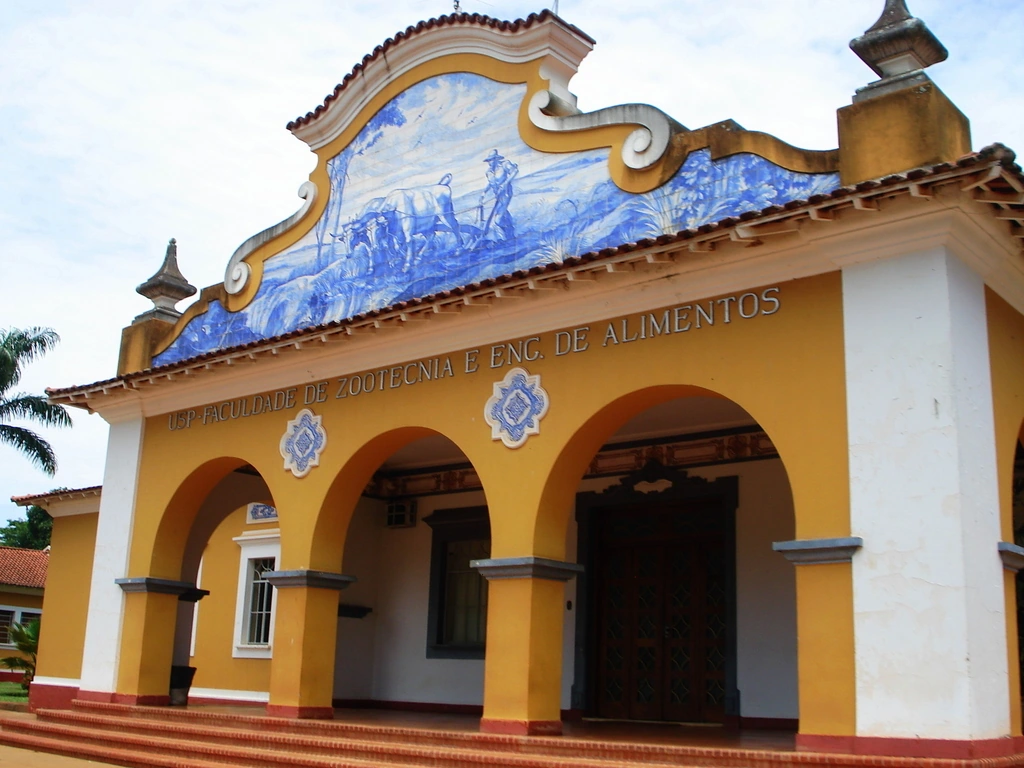
On November 25, Brazil’s University of São Paulo announced a public event to present its water supply, sewerage and water resources research at its Pirassununga campus on November 27. Researchers and the city’s water and sewerage utility will discuss issues including reservoir monitoring and ways to address water leaks.
Welcome coffee at 8:30 a.m. and a presentation by the city utility
The first “CEHIGERA para a Comunidade” public event will take place in the auditorium of the campus’s main building. According to Jornal da USP, welcome coffee for attendees will begin at 8:30 a.m. local time. CEHIGERA, the university center that researches water resource sustainability, will present its work. Pirassununga’s water and sewerage utility (SAEP) will discuss the city’s challenges and present examples of measures that other municipalities could use. The event will also include student poster presentations and a discussion with attendees.
A reservoir water-level monitoring prototype is in operation
At the city’s request for help addressing water leaks, CEHIGERA developed and put into operation a low-cost prototype for monitoring water levels in reservoirs. It filed a patent application jointly with the city utility. A separate system for predicting leaks is also in use. According to the center, the monitoring system deployed in the city cost nearly 93% less to run than outsourcing the monitoring.