Brazil’s first archaeogenetics lab opens, keeping ancient DNA samples and analysis in the country
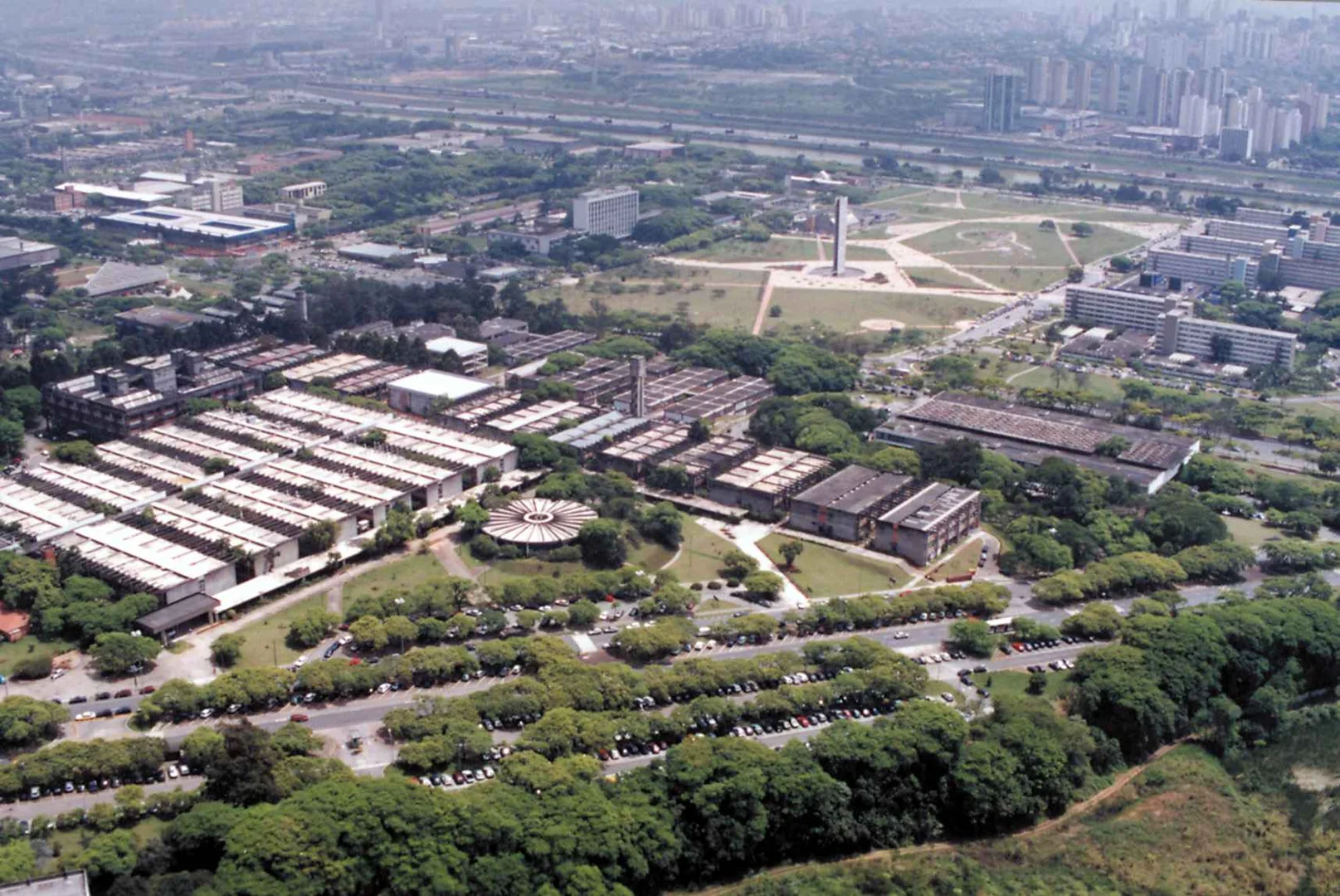
On November 25, the University of São Paulo reported that a new laboratory dedicated to archaeogenetics and ancient DNA had begun operating at its Museum of Archaeology and Ethnology. The university says it is Brazil’s first dedicated facility in the field. Samples will stay in Brazil and be analyzed there. An early study will examine human remains from a colonial-era church site in the northern state of Amapá.

Training researchers in Brazil and building regional collaborations
Archaeogenetics uses ancient DNA preserved in remains such as bones to study human migration and kinship. It was already one of the research areas of the University of São Paulo’s Laboratory of Environmental and Evolutionary Archaeology and Anthropology. Archaeologist André Strauss, who leads the new lab, said he plans to train students in Brazil and host researchers from abroad, a shift from the university’s previous practice of sending researchers to Germany for training. Camilo de Mello Vasconcelos, director of the Museum of Archaeology and Ethnology, said the lab could become a South American hub for researchers from other countries as well.
Studying people buried at a former church in Amapá
One of the first pilot studies will examine human remains excavated at a colonial-era church site in Mazagão Velho, Amapá. Among those who arrived in the settlement in 1770 were people of Portuguese descent who had left Mazagão in North Africa, now El Jadida in Morocco, as well as enslaved Black people. The study will test the historical account that only people of Portuguese descent who came from Morocco were buried there and investigate whether people with roots in other parts of Africa were also buried at the site. Following consultations with local residents, samples have begun arriving at the museum under the supervision of local custodians of the archaeological material.
Samples from 63 people and preliminary signs of tooth modification
The researchers collected samples from 63 people. A preliminary examination found signs of deliberate tooth modification in at least one person, thought to be ritual in nature. The team plans to study ancient DNA and strontium isotopes to investigate where the people came from, where they grew up and how they might be connected to residents today.