How giant sauropods supported their weight, according to fossil bone analysis
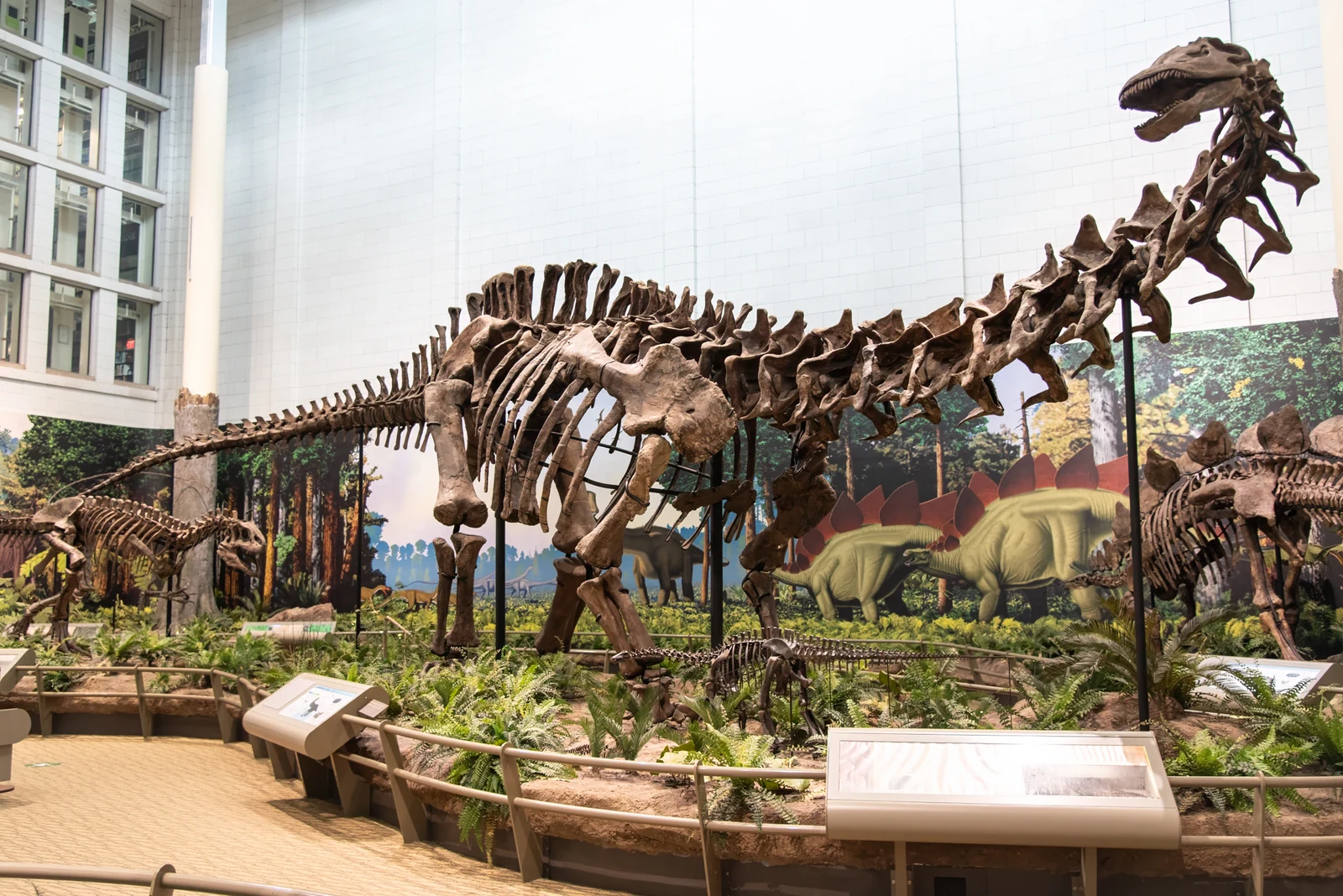
The University of São Paulo’s news site, Jornal da USP, reported on November 26 on a study of how sauropods, large dinosaurs with long necks, supported their weight. The pressure the team estimated from fossil leg bones was well below the threshold for bone fracture under compression. The researchers suggested that the bones’ internal structure may have distributed the load.
Fossil leg bones reveal estimated pressure and fracture thresholds
Lead author Tito Aureliano, affiliated with Brazil’s Federal University of Rio Grande do Norte and the University of Campinas, and colleagues analyzed the structure of leg bone tissue from several species and specimens. In neosauropods, the load from body weight was associated with the thickness of the compact outer bone layer. The researchers suggested that both the thickness and the arrangement of tissue inside the bone may have distributed the load and helped strengthen the bone.
Centers of mass and changes in bone tissue varied by lineage
The study found that diplodocoids had a center of mass toward the rear, consistent with a posture in which they could rise onto their hind legs when needed. In brachiosaurids, the center of mass shifted forward as the neck and forelimbs developed. In titanosaurs, the authors reported that bone tissue formed during rapid growth was resorbed and replaced by compact bone, and that numerous air-filled spaces in bones below the skull helped support their large size.
Combining fossil tissue analysis with materials physics
Aureliano said the team combined paleohistology, the study of fossilized tissues, with biomechanics, which examines movement and forces in living organisms. Co-author Guilherme M. Sipahi of the University of São Paulo’s São Carlos Institute of Physics focused on the elasticity of crystals in bone to calculate the threshold for structural failure. The comparison examined static loads and did not directly measure forces generated by walking or similar movements.