Brazil’s Piauí weighs five-level public health response plan for heavy rain
On November 26, the health department of Brazil’s Piauí state (Sesapi) discussed a draft response plan with relevant departments to prepare for public health emergencies linked to heavy rain. The draft divides the response into five levels, from normal conditions to crisis, and sets out the conditions and indicators that would guide decisions at each level.
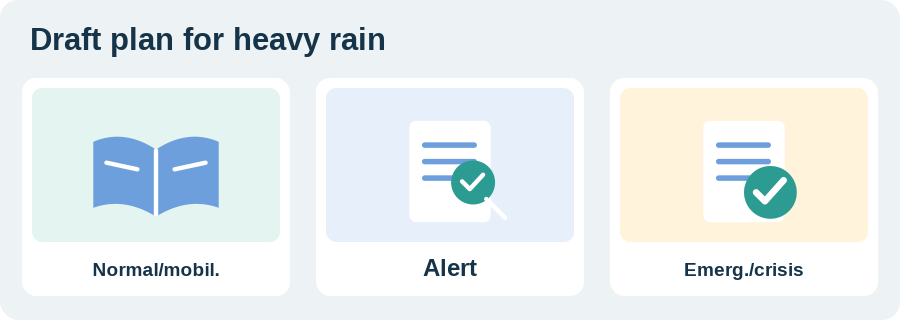
Five levels, from normal conditions to crisis
The proposed levels are normal conditions, mobilization, alert, emergency and crisis. The draft describes the conditions and indicators at each level to guide monitoring, preparedness, prevention and response by Sesapi and other departments when incidents are linked to heavy rain. On November 26, Sesapi brought together technical staff and other personnel to discuss potential situations and how to respond.
Support for municipalities and feedback from departments
Paulo Victor Ribeiro, a nurse in Sesapi’s environmental health surveillance unit, which is drafting the plan, said it should help departments respond quickly as conditions change and strengthen technical and organizational support for municipalities. The plan is still being drafted. Sesapi will send it to the relevant departments for feedback on how it fits their roles and the situations they expect to face.