Rare blood donors meet in Brazil’s Piauí state to learn how compatible blood is found
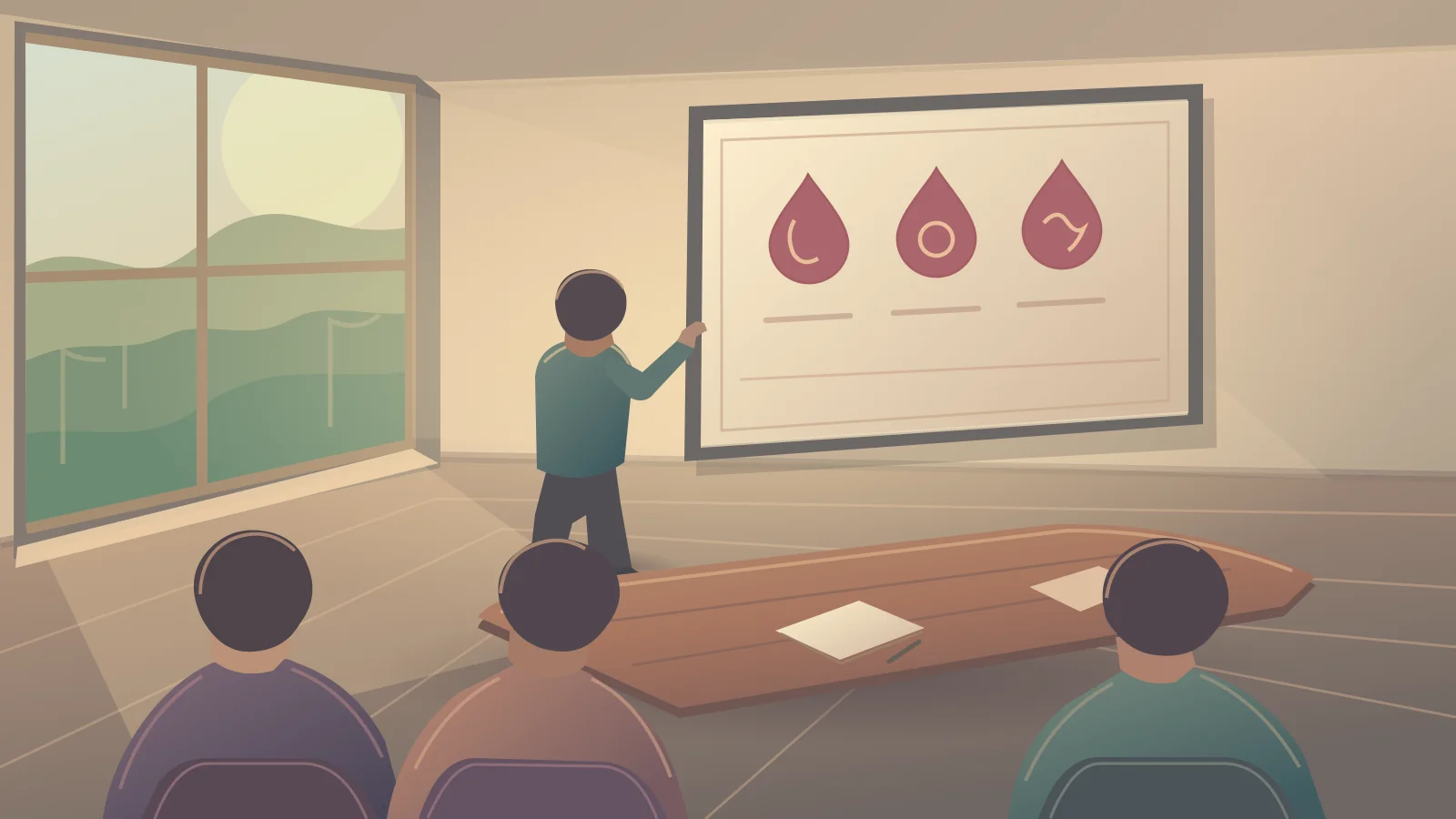
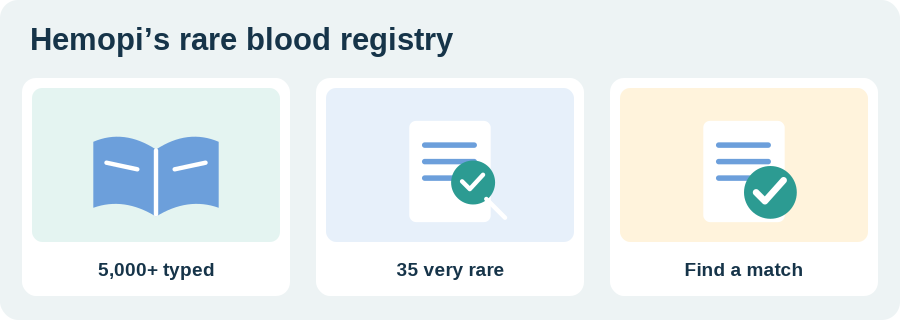
The government of Brazil’s Piauí state announced on November 26 that its blood center, Hemopi, had held the state’s first meeting for blood donors with rare blood group traits. More than 5,000 donors who have undergone detailed blood typing are registered with Hemopi, including 35 classified as having extremely rare traits.
Why Hemopi carries out detailed blood typing
The meeting took place that day as part of National Voluntary Blood Donor Week. Some attendees had joined the donor registry after a relative needed a transfusion. Pedro Afonso Sousa, who oversees Hemopi’s immunohematology laboratory, said the meeting explained why the center carries out detailed blood group phenotyping and why it matters to donate and keep registry details up to date. Staff also answered attendees’ questions.
Checking and recording red blood cell antigens
According to the state government, routine blood typing commonly uses the ABO and Rh systems. Phenotyping also examines antigens from other blood group systems on the surface of red blood cells. A registry updated on September 24 by a working party of the International Society of Blood Transfusion (ISBT) lists 49 blood group systems and 400 antigens.
Helping find compatible donors
When a patient who needs a transfusion has rare blood group traits, it can be harder to find a compatible donor. Hemopi continues to build its records of people who have had their blood group phenotype determined, so staff can more readily identify potential donors when a specific blood type is needed.