Students at a school in Bulnes, Chile, learn to grow plants and make compost outdoors
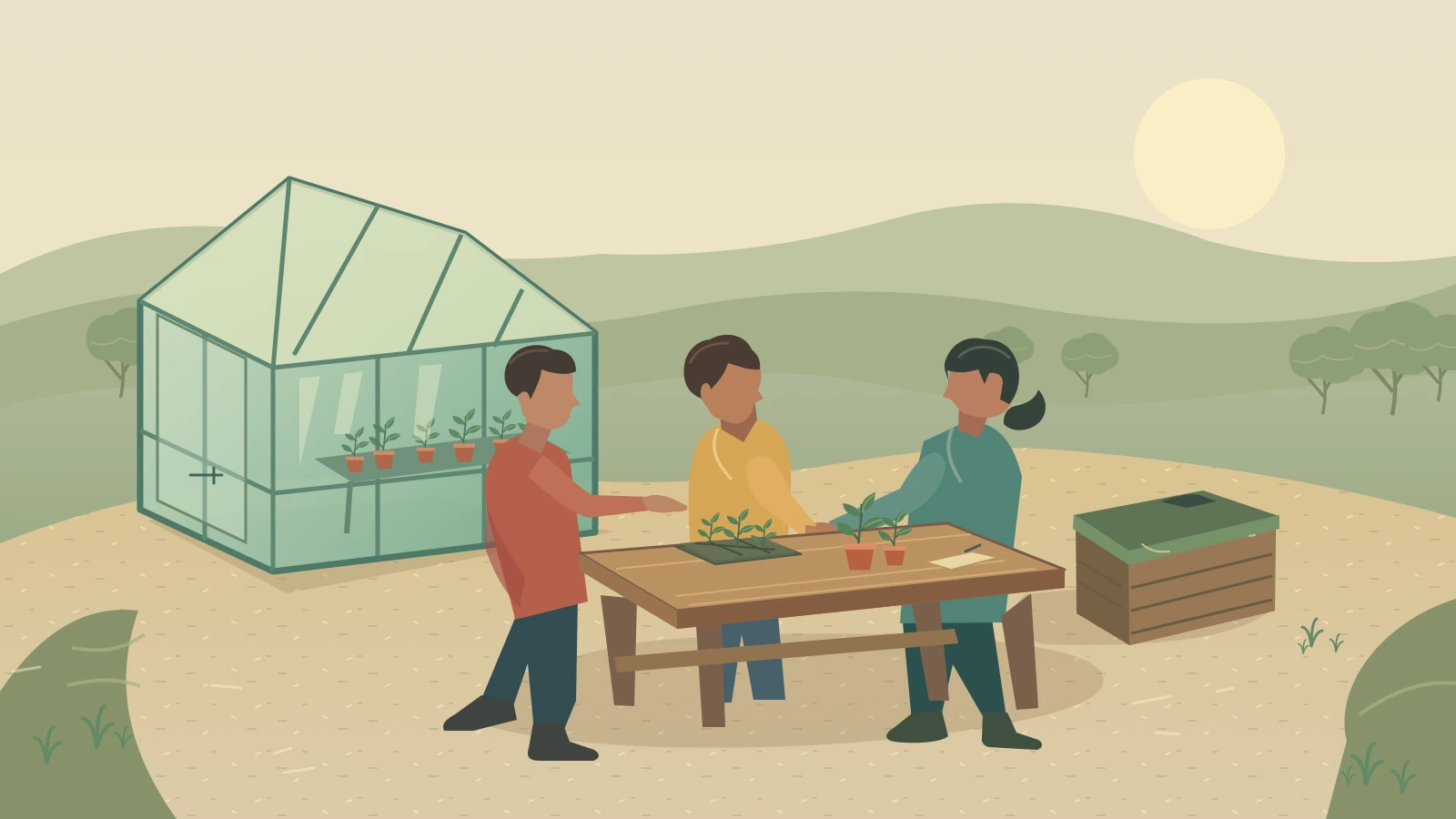
On November 26, Chile’s Ministry of the Environment announced that Liceo Manuel Bulnes, a school in Bulnes in the Ñuble Region, had held a closing event for Aula Viva. The environmental education project helped students put what they learned in science class into practice outdoors. The school’s parents and guardians association ran the project with 6 million Chilean pesos from the ministry’s 2026 Environmental Protection Fund (FPA).
A tour of the greenhouse, nursery and composting facility
Teacher Rodrigo Henríquez coordinated the project, linking science lessons with growing plants and making compost from organic waste. Students, teachers and officials attended the closing event. Regional environment chief Angélica Cuevas Palominos toured the greenhouse, nursery and composting facility with members of the school community. Students led an activity in the school plaza, and a teacher gave a musical performance.
Nine projects funded across five Ñuble municipalities
The Environmental Protection Fund is a competitive grant program through which Chile’s Ministry of the Environment funds proposals from community organizations and others to protect or restore their surroundings. Aula Viva received funding under the program’s climate change and pollution reduction category. In 2026, the fund allocated a total of 54 million Chilean pesos to nine projects in five Ñuble municipalities. Since the region was created, the ministry has funded 56 projects through the program, including the 2026 projects.