University of São Paulo professor calls for room to test AI while protecting research integrity
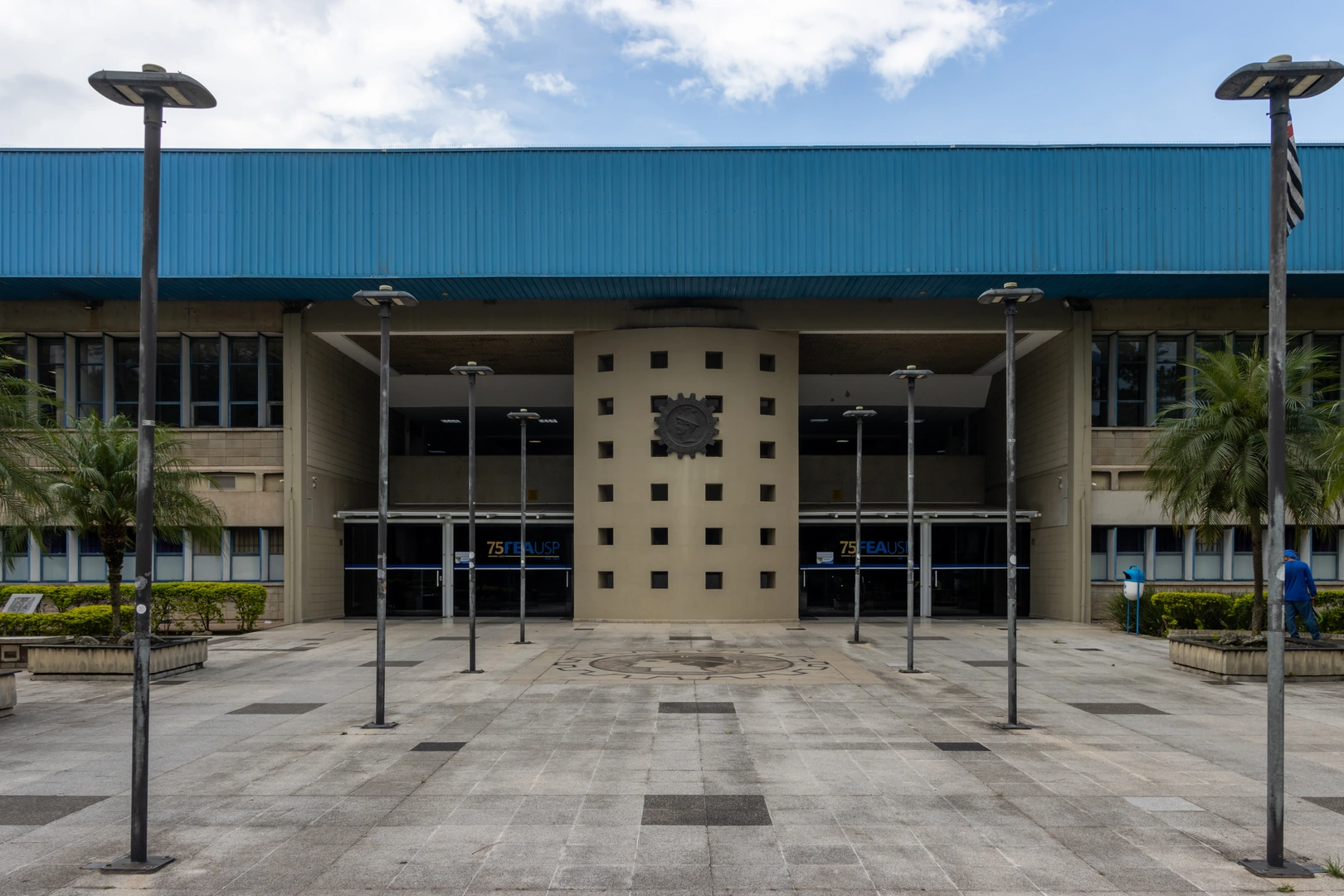
Fábio Frezatti, a professor at Brazil’s University of São Paulo, wrote on 26 November in the university’s newspaper, Jornal da USP, that universities should set rules that let researchers try and assess artificial intelligence (AI). He proposed adapting the rules to different fields while safeguarding reliable information and research integrity.
Galileo’s example raises questions about how universities make decisions
Frezatti, of the School of Economics, Business, Accounting and Actuarial Science, drew on the difficulties Galileo faced in putting forward new ideas to ask how institutions should reconsider their standards when faced with a new technology. He said there are reasons for rules that safeguard research integrity, attribution and the reliability of information. He warned that the way the rules are applied can make it hard to try new methods.
Universities, journals and funders may set different standards
An AI use that a university allows might fall outside the rules of an academic journal or a research funder, Frezatti said. That difference can make researchers hesitate to experiment. He also called for taking into account the different practices and verification methods across fields.
An approach that records procedures and verifies generated information
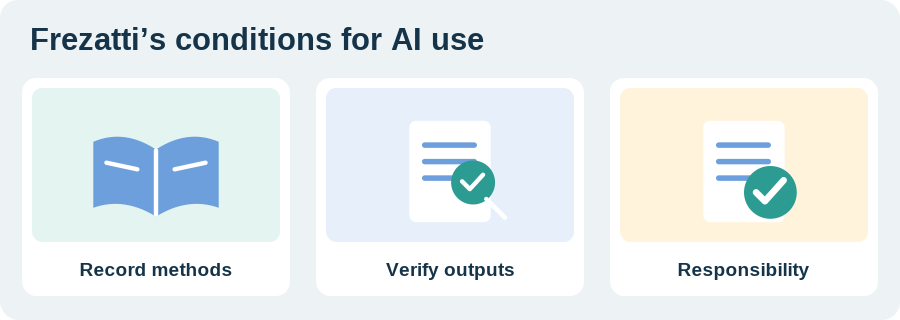
Frezatti outlined one approach in which some uses of AI could be allowed on condition that researchers document their procedures, verify the information generated and make their responsibility clear. The rules themselves could then be revised in light of what experiments show and the risks they identify.