Study estimates dengue spread south in Brazil at up to 57 km a year
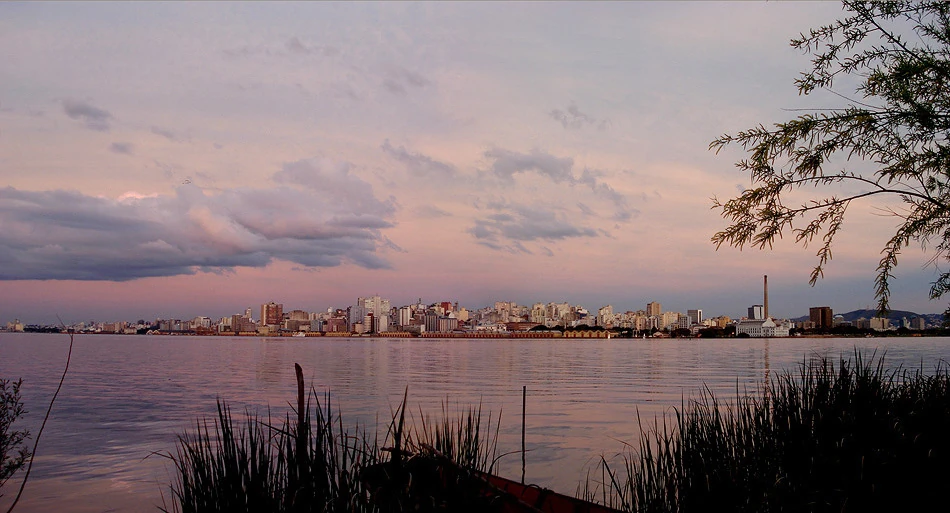
The University of São Paulo news outlet Jornal da USP reported on November 26 that dengue-affected areas in Brazil had expanded southward by up to 57 kilometers a year, according to a study. The Pasteur Institute of São Paulo analyzed public health data from 2015 through 2025. In the model, the band with an incidence rate of 300 cases per 100,000 people reached Porto Alegre in 2025.
Estimating the southward spread from 2015–2025 data
The Climate and Health Laboratory at the Pasteur Institute of São Paulo modeled dengue incidence from 2015 through 2025 using data from DataSUS, the information department of Brazil’s Unified Health System. The researchers estimated that the area affected by dengue expanded southward at up to 57 kilometers a year.
In the model, the band reached Porto Alegre in 2025
One modeled incidence band, corresponding to 300 cases per 100,000 people, reached Porto Alegre in 2025. Mauro César Cafundó de Morais, who leads the laboratory, said that tracking the speed and direction of this spread could help state and municipal health authorities with surveillance and early preparation.