Reference genome for edible sea pineapple covers eight chromosomes
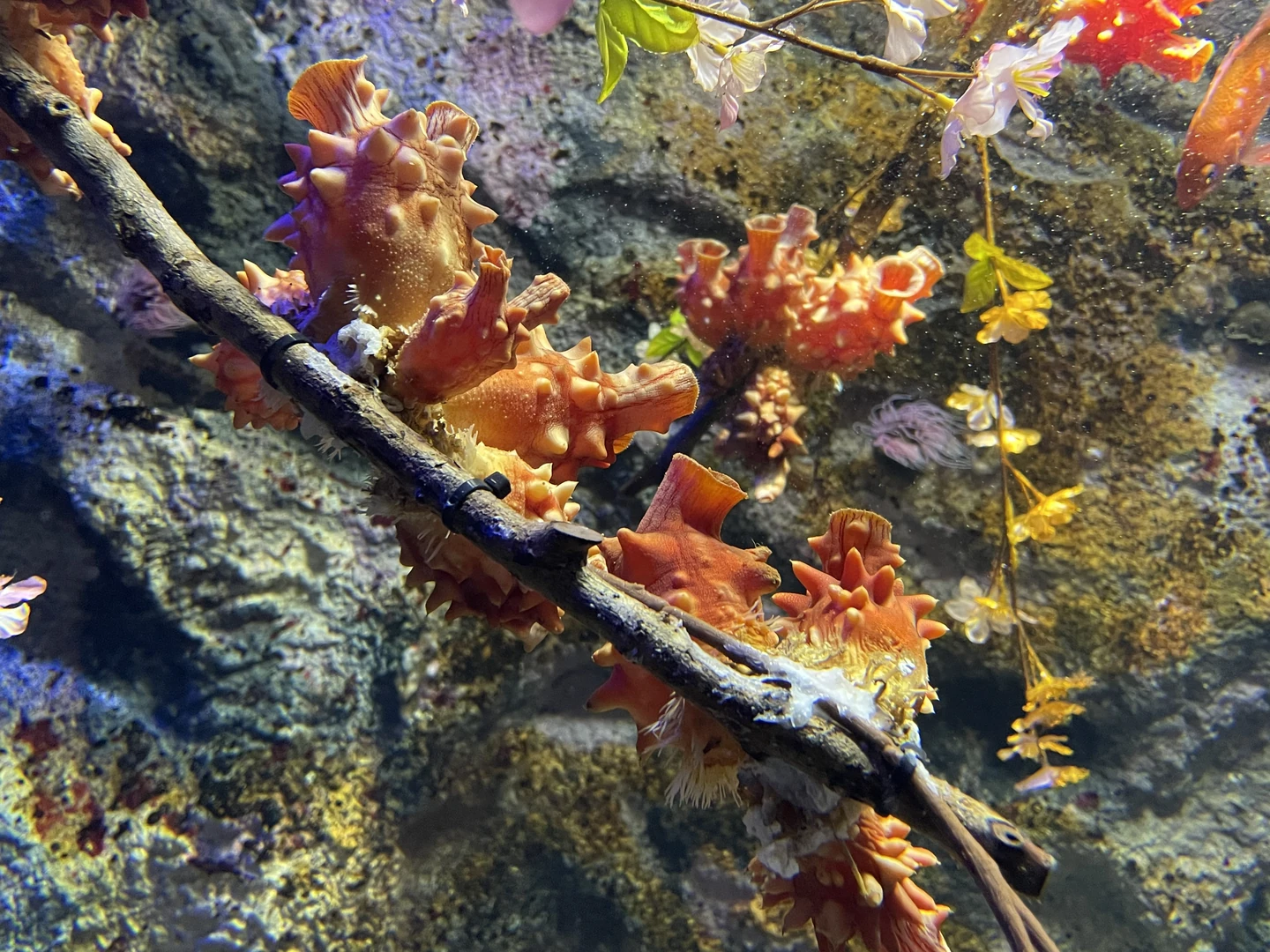
Researchers from Nihon University, Mie University, the University of the Ryukyus and Tohoku University announced on 26 November that they had assembled a reference genome covering eight chromosomes of the edible sea pineapple. The team said it could help investigate genes linked to tolerance of disease and high water temperatures, two challenges for aquaculture.
A sequence spanning 151.7 Mb
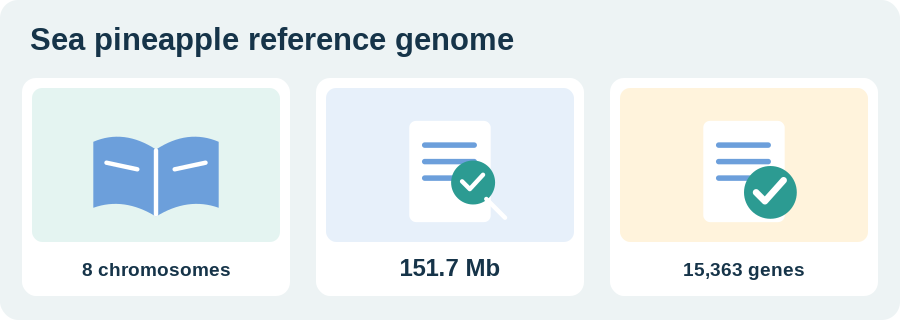
The sea pineapple is farmed in northeastern Japan and South Korea. The team combined long DNA sequences from specimens originating in Miyagi and Iwate prefectures with a genetic linkage map. The resulting reference genome spans 151.7 Mb, and the team predicted 15,363 protein-coding genes.
Comparing chromosomes across sea squirts
The closely related Styela clava shared many similarities in chromosome correspondence and gene order. In comparisons with the more distantly related sea squirts known in Japanese as katayūreiboya and seiyōtsutsuboya, stretches with shared gene order were more fragmented. The findings appeared in DNA Research.