Eight teams at NVIDIA’s AI hackathon in Japan prototype a mini factory and other projects
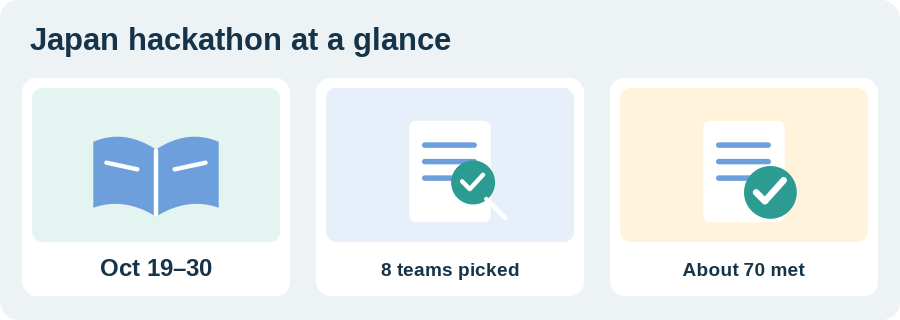
On November 26, NVIDIA Japan shared results from its invitation-only agentic AI hackathon, held October 19–30. Eight teams from partner companies took part, with prototypes including a demonstration of a manufacturing workflow and a system for importing medical data. NVIDIA said about 70 developers, industry specialists and others connected at the event.
In-person sessions in Tokyo with technical support online
NVIDIA co-hosted the Japan NPN Partner Agentic AI Hackathon with the OpenACC organization, Digital Dynamic, eole, WOODMAN and Macnica. The event was open to companies in the NVIDIA Partner Network. Eight teams selected through a technical review developed prototypes based on customers’ business problems. The first and last days took place in person in Tokyo, with technical support online throughout the event. Each team had two NVIDIA RTX PRO 6000 Blackwell Server Edition GPUs for development.
A manufacturing demonstration and a test using synthetic medical data
The Classmethod team used a small prototype facility with a 3D printer and other equipment to demonstrate the workflow from production instructions through inspection. The FIXER team tested a system that helps import data in formats that vary by hospital, using synthetic data representing 1,449 patients. Testing in actual hospitals is a future goal.
Production use will require checks with existing systems
NVIDIA said bringing prototypes into customers’ operations requires testing performance and accuracy for the intended environment and checking integration with existing systems and safety.