NASA to send crop and brain tissue experiments to the ISS on NG-25
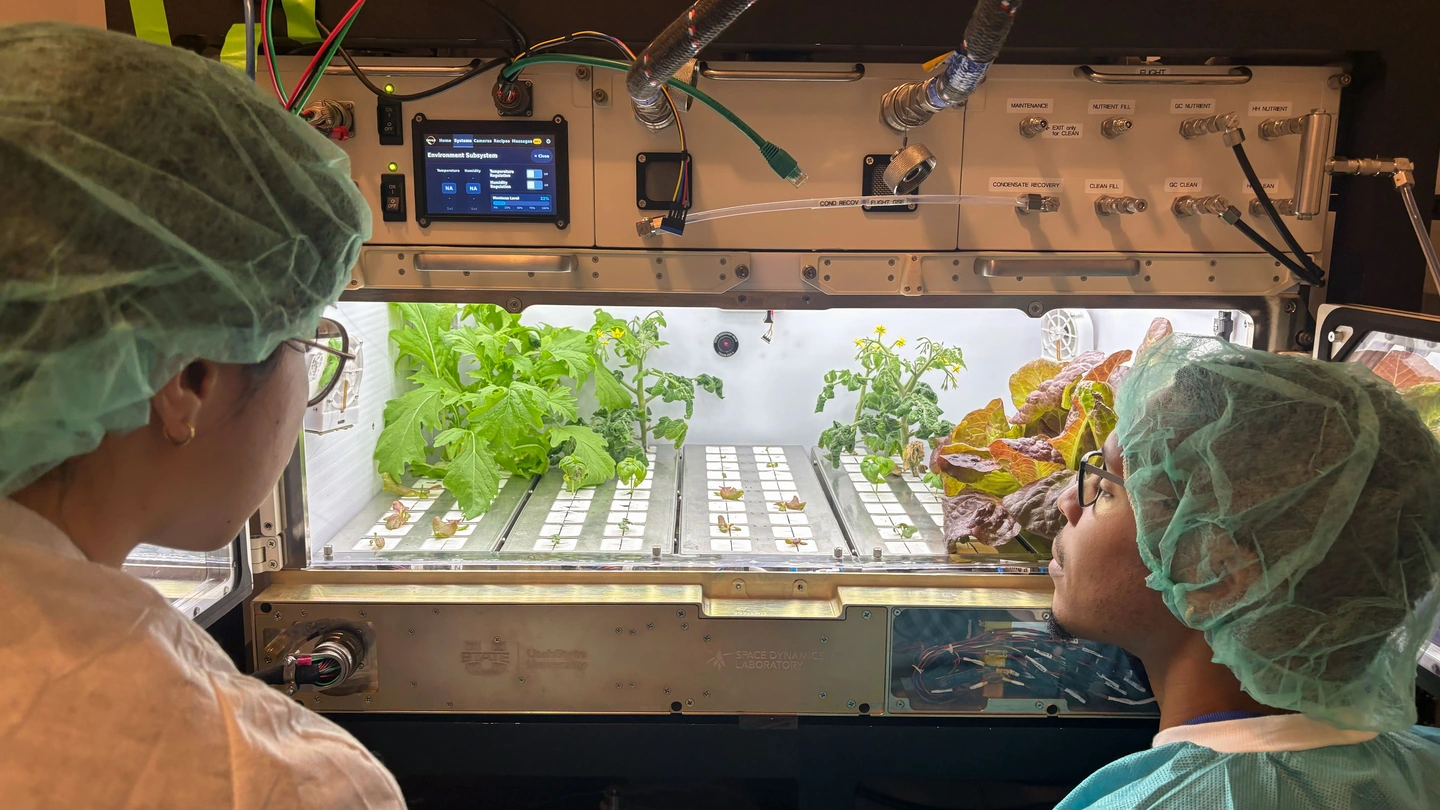
NASA announced on 27 November that it would carry out experiments on crop cultivation and human brain tissue models aboard the International Space Station (ISS). The equipment is due to travel on NG-25, Northrop Grumman’s 25th commercial resupply mission for NASA. The experiments will test technology for growing crops in microgravity and equipment for studying brain tissue over longer periods.

Testing a prototype for growing crops in microgravity
NASA will test the Ohalo III growth chamber aboard the ISS to explore sustainable sources of food for long-duration space exploration. Researchers will test water delivery to crops and technology for making efficient use of the chamber’s volume. The work will inform systems for reliably growing safe and nutritious crops at future Moon bases and on missions to Mars. NASA says the findings could also inform vertical farming and indoor growing on Earth.
Equipment for longer studies of human brain tissue
NASA has previously sent small, lab-grown models of the human brain called miBrains to the ISS. The follow-up experiment will test a miniature device that supplies and manages the culture medium needed to maintain brain tissue for longer studies in space. NASA says the findings could help researchers understand neurological risks associated with spaceflight and develop ways to protect astronauts’ health. They could also support human tissue research and models of neurological diseases on Earth.