University of São Paulo joins underground neutrino experiment
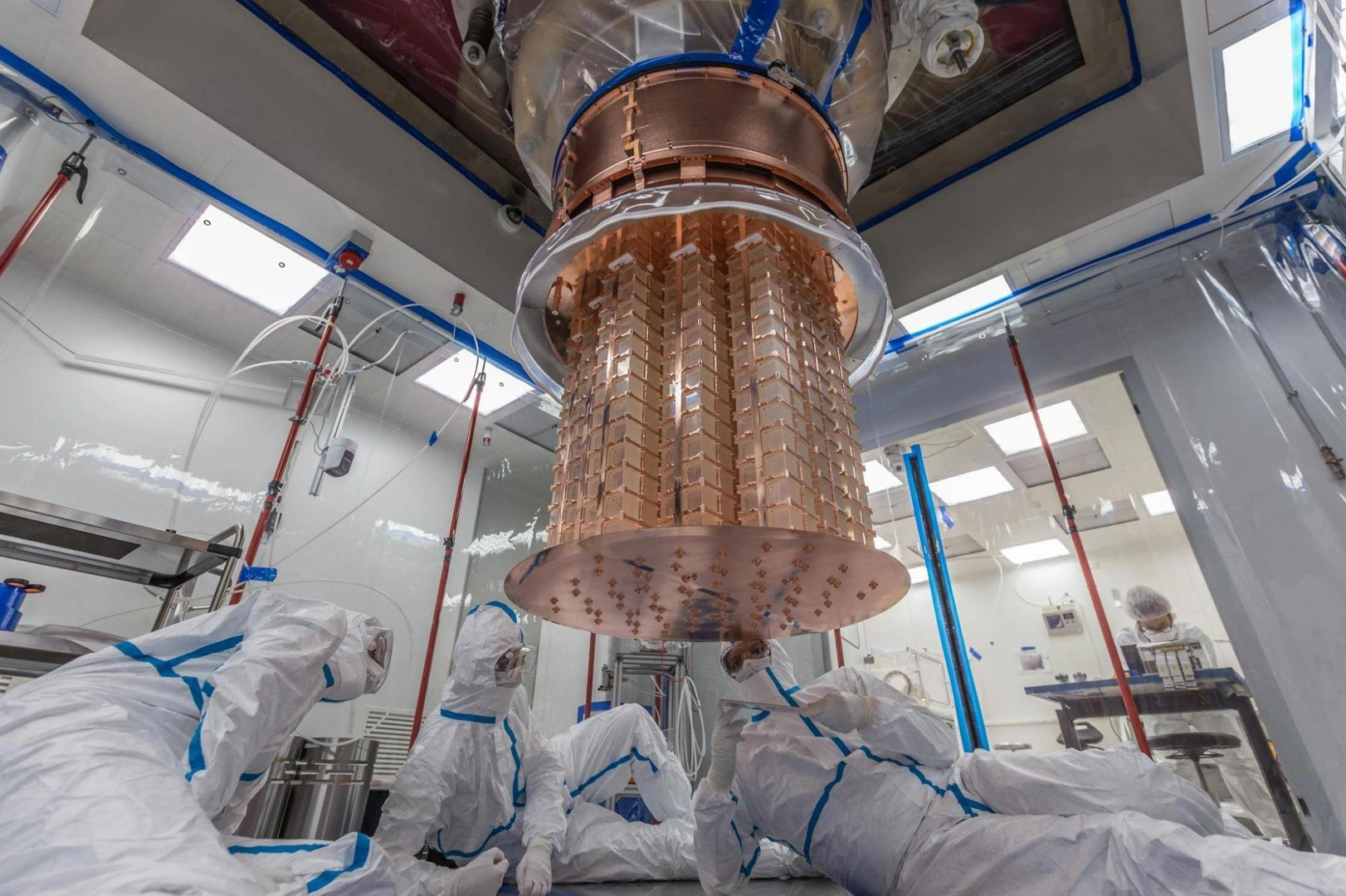
The University of São Paulo in Brazil announced on November 27 that it is participating in CUPID, an international experiment being prepared at Italy’s Gran Sasso National Laboratory. The experiment will look for neutrinoless double beta decay. A university researcher involved in the project said the team aims to start collecting scientific data in 2030.
Searching for a decay never observed
CUPID will use infrastructure from its predecessor, CUORE, to search for neutrinoless double beta decay. Observing the decay would offer an important clue to whether a neutrino is its own antiparticle. Pedro Guillaumon of the University of São Paulo’s Institute of Physics said it could also inform research into why the universe contains more matter than antimatter.
Measuring heat and light from crystals underground
The experiment will take place at Italy’s Gran Sasso National Laboratory, beneath some 1,400 metres of rock that shield it from cosmic rays. When a particle deposits energy in one of the cooled crystals, the detectors measure a tiny temperature change and the light produced to distinguish the signal of interest from the effects of other radiation.
Assembly of the first stage expected in 2029
The university said it is formally recognised as a participating institution and that Guillaumon represents it on the experiment’s governing board. He said assembly of the first stage is expected to begin in 2029, with the start of scientific data collection targeted for 2030.