University of São Paulo develops Portparser for Brazilian Portuguese syntax
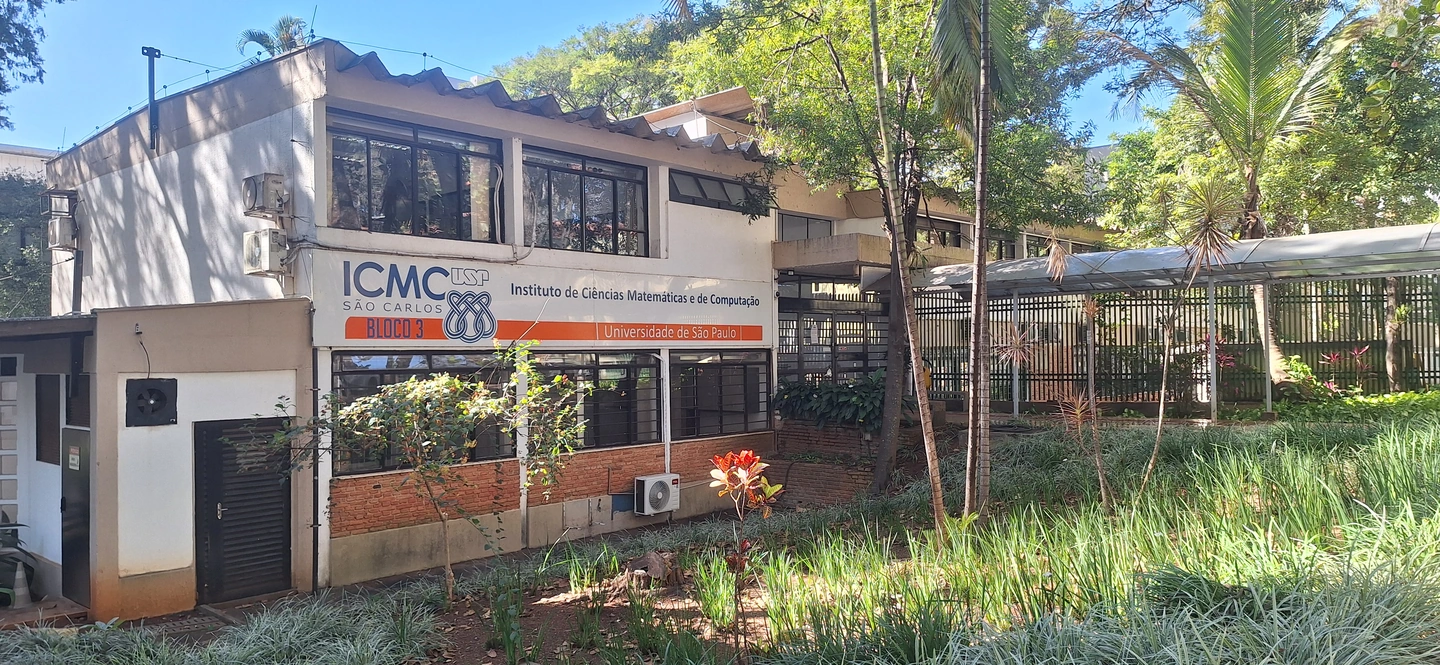
On November 27, Brazil’s University of São Paulo reported on the development of Portparser, a tool that automatically analyzes relationships between words in Portuguese sentences. The natural language processing team applies a shared annotation standard to news, legal and literary texts as well as spoken language. The team says the approach can also help researchers compare languages in linguistic typology.
A common standard for annotating relationships between words
The research is part of Synestech.AI, a collaboration between the University of São Paulo’s Institute of Mathematics and Computer Sciences (ICMC) and its Institute of Mathematics, Statistics and Computer Science (IME). Thiago Pardo of ICMC leads the natural language processing work. Magali Duran led the creation of a corpus of written and spoken material. Using the international Universal Dependencies standard, the researchers label parts of speech and record how words relate to one another, including which words serve as subjects or objects.
Researchers review the parser’s output
Portparser, developed by Lucelene Lopes, uses annotated examples, vocabulary and information about word forms to infer the structure of new sentences. Duran said researchers now review the tool’s initial analysis and correct errors. Using the same annotation standard makes structures easier to compare across languages.
University report puts parsing accuracy at nearly 97%
The university report puts Portparser’s parsing accuracy at nearly 97%. The evaluation metric and test data are unspecified in the report. Pardo said some errors involve ambiguous sentences that even people can interpret differently.