Brazil’s dengue range shifted south by about 57 km a year, study estimates
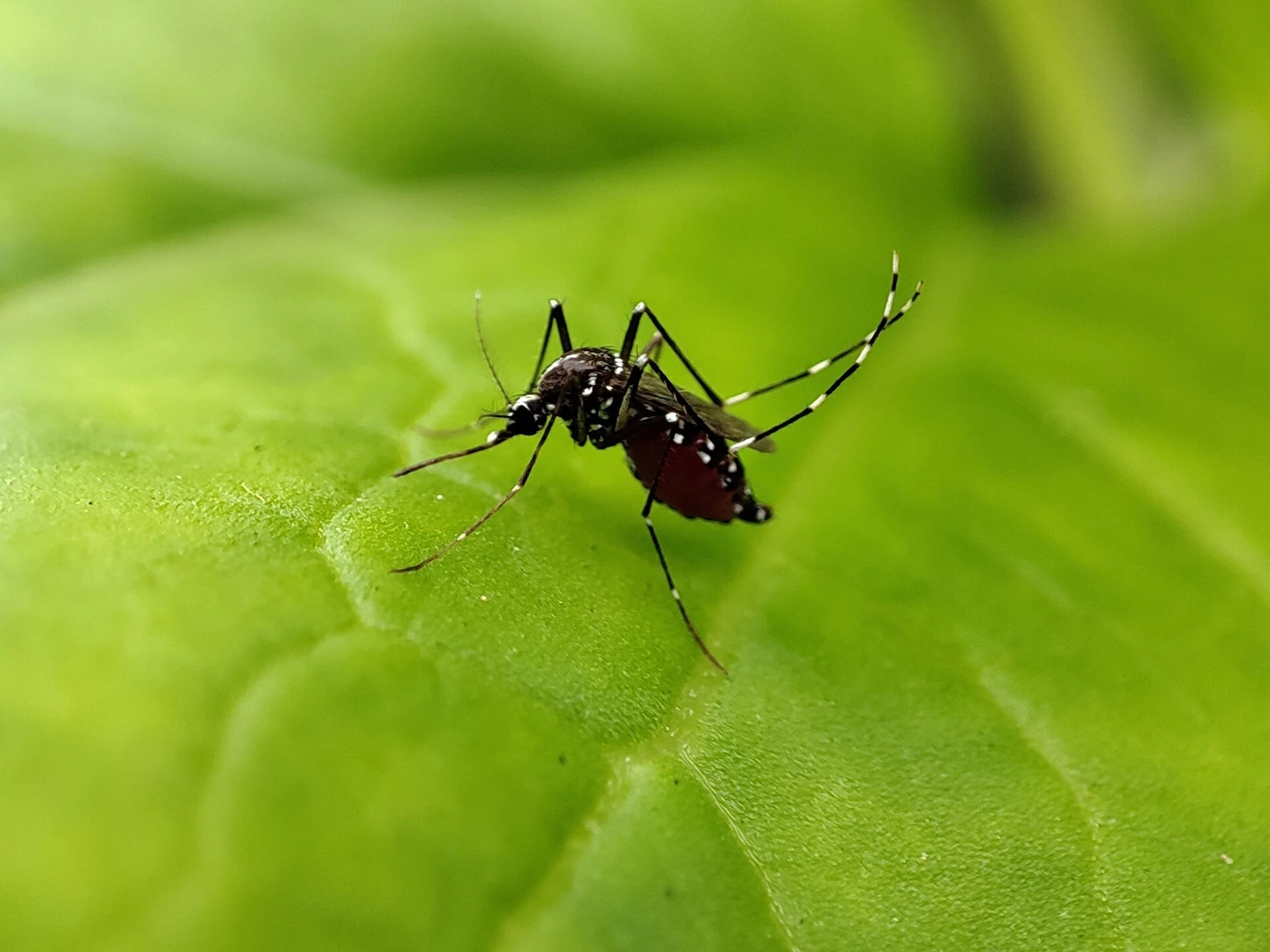
The Institut Pasteur de São Paulo estimates that the distribution of locally acquired dengue fever cases recorded in Brazil shifted south by an average of 56.6 kilometres a year from 2015 to 2025. A University of São Paulo radio programme reported the researchers’ findings on November 27.
The band reached Porto Alegre in 2025
The researchers used case data from Brazil’s public health information system to examine how dengue incidence changed by latitude. According to the university’s broadcast, in 2025 the band with an incidence of 300 cases per 100,000 people reached Porto Alegre in the southern state of Rio Grande do Sul.
Helping states and municipalities plan public health measures
Research team leader Mauro César Cafundó de Morais said estimates of the direction and speed of the shift could help states and municipalities prepare for surveillance and prevention. According to the Institut Pasteur de São Paulo, the findings are preliminary and have yet to appear in a scientific journal.