Colombian university studies the genetics of two endemic hummingbirds to inform conservation
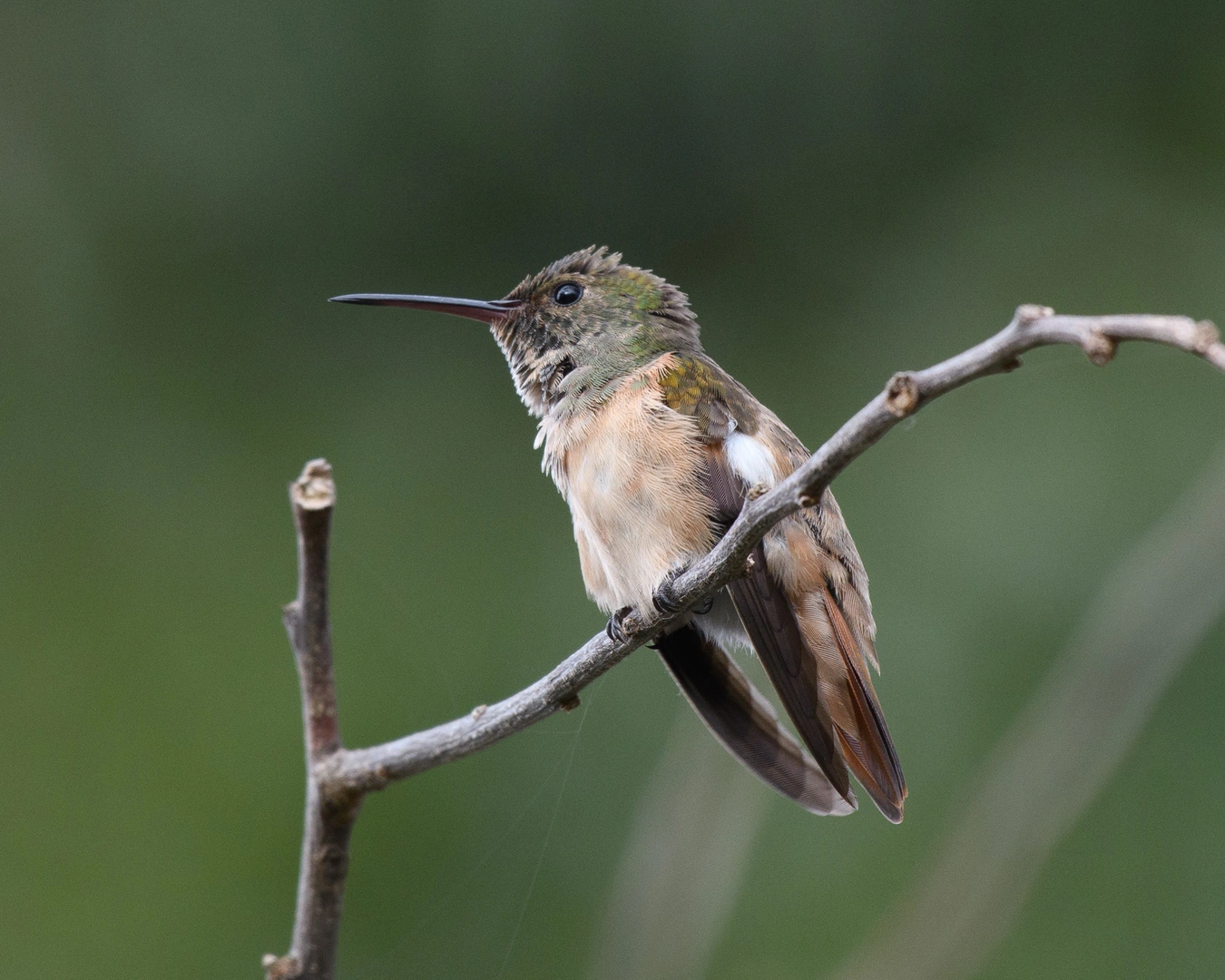
On November 27, Colombia’s Industrial University of Santander (UIS) described a study of genetic diversity in two hummingbird species found naturally only in Colombia. Preliminary findings suggest that chestnut-bellied hummingbirds studied in Santander and Boyacá may belong to the same population. The species lives in the Chicamocha Canyon.

Clues for conservation across department boundaries
Researcher Daniela Johanna Mojica Candela compared chestnut-bellied hummingbirds (Saucerottia castaneiventris) from the two departments. The portions of mitochondrial DNA she examined showed little variation among the birds and no clear differences that would distinguish the birds from one department from those in the other. The university said the findings could help Santander and Boyacá coordinate habitat conservation. Mojica Candela plans to examine other genetic information to check the results.
The second species’ full range still needs study
The findings pointed to two groups with genetic differences among indigo-capped hummingbirds (Saucerottia cyanifrons). The study covered only part of the species’ range, so it remains unclear whether the findings apply elsewhere. According to the university, the results were presented in a poster at the Latin American Congress of Genetics in Montevideo, Uruguay, and the research team is preparing a paper.