Water wheels and textiles shed light on medieval industry in Europe, USP column argues
On November 27, the University of São Paulo’s Jornal da USP published a history of science column by Gildo Magalhães, a professor at the university’s Institute of Advanced Studies. Drawing on the widening uses of the water wheel and changes in farming and textile production, he argued that centuries of advances in technology and the division of labor in medieval Europe laid the groundwork for later industry.

Water power spread from milling to manufacturing
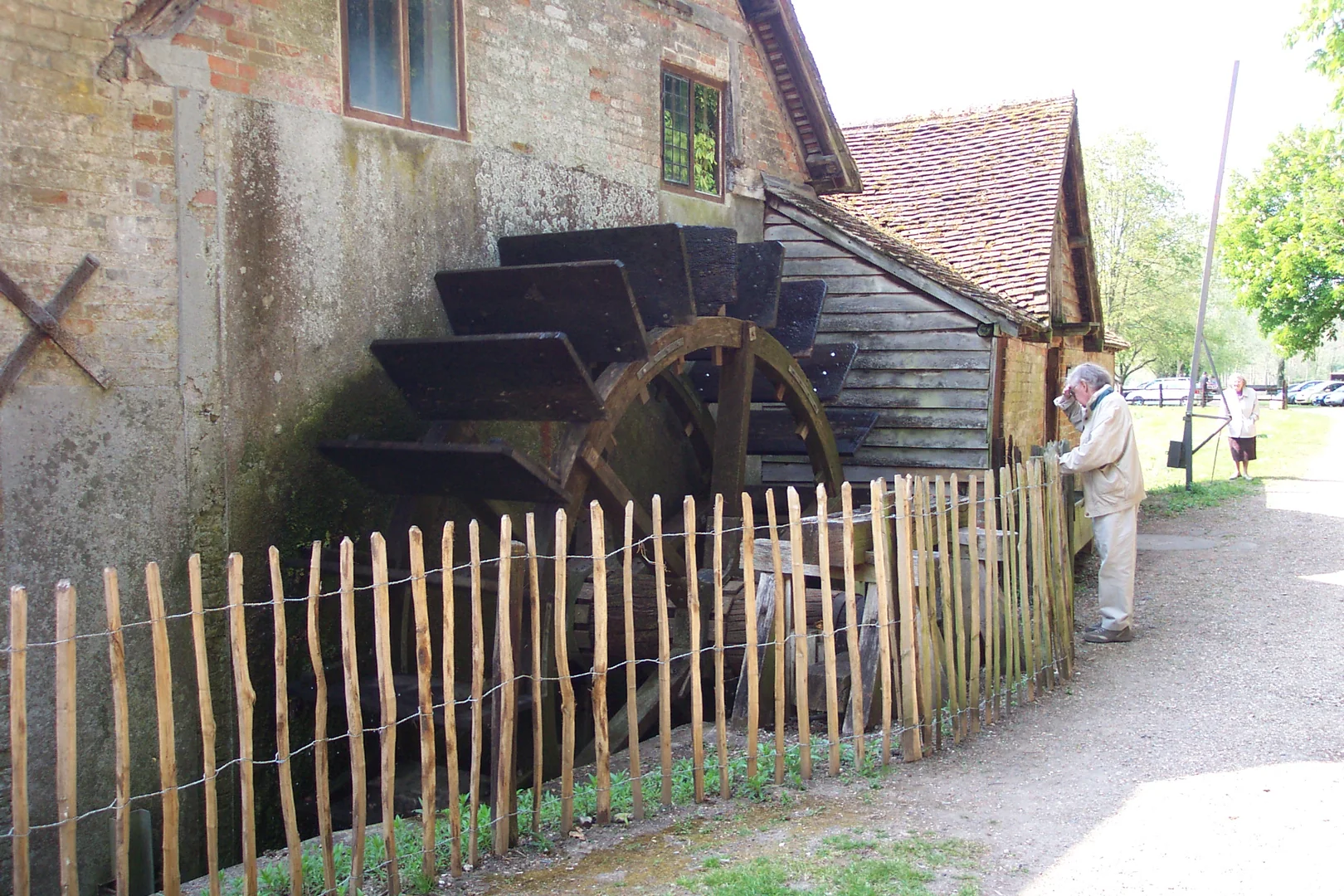
Drawing on the research of historian Marc Bloch, the column says that water wheels driven by rivers came into wide use in Europe from the sixth century onward. Besides grinding grain, they powered the sawing of wood, the crushing of ore and the making of paper from rags. Magalhães argues that powered facilities brought workers together and created more opportunities to work jointly.
Crop rotation and the division of labor in textiles
Magalhães describes the three-field system as a way to increase agricultural productivity. It rotated autumn crops, spring crops and fallow land across three fields. He points to the introduction of the horizontal loom in the 12th century and says that textile production was divided into tasks such as spinning, dyeing and weaving, coming to employ more workers.
Can centuries of change be called a revolution?
The column takes as its starting point the idea of a medieval Industrial Revolution presented by historian Jean Gimpel in a 1975 book. Magalhães argues that the word “revolution” needs qualification because technology and production changed over several centuries. He concludes that the forms of production that developed in the Middle Ages encouraged urbanization and the expansion of commerce and provided a foundation for later industry.